

Reference Electrode
Your Professional Reference Electrode Supplier
The company has maintained independent innovation, with multiple R&D achievements reaching international leading standards. It has filed nearly 30 patent applications and led the formulation of over 10 industry standards covering corrosion prevention, anti-fouling, and seawater desalination. Recognized as a National High-Tech Enterprise, the company boasts a top-tier talent pool including Shandong Province's Outstanding Talents Program recipients and has been awarded the National Gold Medal for Quality Engineering. Its flagship products have earned prestigious honors such as National Strategic Innovation Product, Key New Product of China, and Shandong Famous Brand Product.


Why choose us
Complete Qualifications And Leading Technology
It has dual first-level qualifications for mechanical and electrical installation and electronic intelligence and third-level qualifications for professional contracting of environmental protection projects, with a complete technical team and quality management system.
One-Stop Service, Efficient And Worry-Free
From solution design, equipment integration to engineering construction, operation and maintenance, Xiezhixin provides a full-process and comprehensive solution for smart water and environmental protection projects.
Our Services
The company has a strong R&D technical team, a professional environmental protection production base and professional installation and production personnel, and provides high-quality services to more demanding units with the concept of full service.
Reference Electrode
A reference electrode is an electrode that has a stable and well-known electrode potential. The overall chemical reaction taking place in a cell is made up of two independent half-reactions, which describe chemical changes at the two electrodes. To focus on the reaction at the working electrode, the reference electrode is standardized with constant (buffered or saturated) concentrations of each participant of the redox reaction.
|
Reference Electrode System |
Electrolyte |
Potential vs. Standard H2 Electrode (SHE) |
Potential vs. Saturated Calomel Electrode (SCE) |
|
Ag / AgCl |
Sat. KCl |
200 mV |
-44 mV |
|
Ag / AgCl |
3M KCl |
210 mV |
-32 mV |
|
Hg / Hg2Cl2 (Calomel) (SCE) |
Sat. KCl |
244 mV |
0 mV |
|
Hg / Hg2Cl2 (Calomel) |
Sat. LiCl |
200 mV |
-45 mV |
|
Hg / HgO |
20% KOH / 4.24M |
98 mV |
-143 mV |
|
Hg / Hg2SO4 |
Sat. K2SO4 |
640 mV |
408 mV |
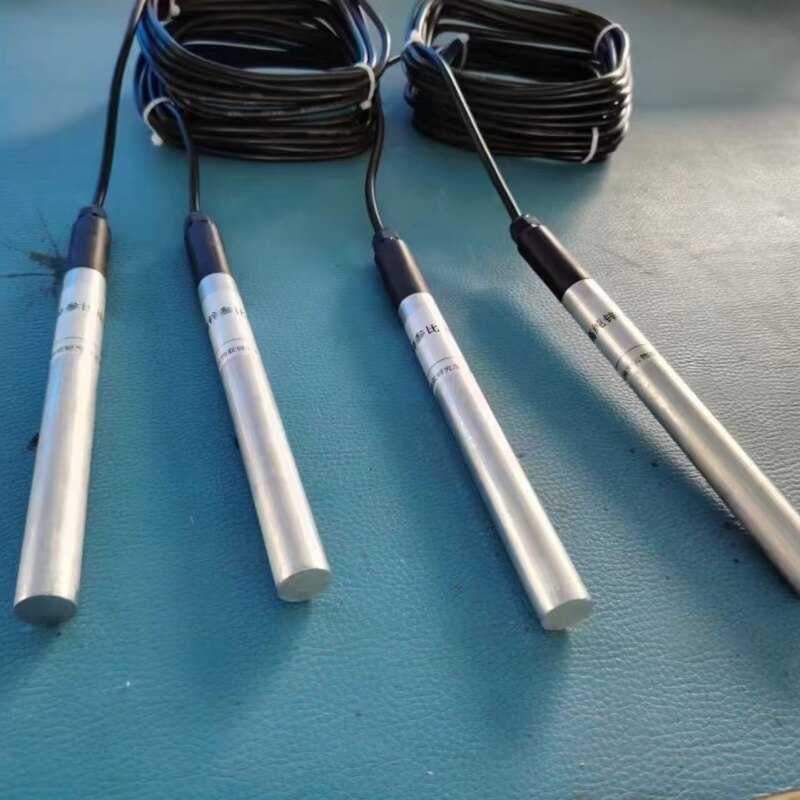
Advantages of Ag/AgCl Reference Electrode
Chemical Stability: Materials like Teflon used in the junction provide excellent chemical stability, making the electrode durable and resistant to degradation.
Slow Solution Leakage: The porous nature of the junction material ensures a slow and controlled leakage of the internal fill solution, which is crucial for maintaining a stable potential over time.
Compatibility: The electrode is compatible with a wide range of samples, especially in neutral environments, making it versatile for various applications.
Type of Reference Electrode
Different types of reference electrodes are available, each with specific properties suitable for various electrochemical applications.
Standard Hydrogen Electrode (SHE)
SHE serves as a fundamental standard for measuring electrode potential as its own equilibrium potential value is accepted as 0 V.
Silver/Silver Chloride (Ag/AgCl) Electrode
Ag/AgCl electrode consists of a pure silver metal wire which is coated with a silver chloride layer. The electrode is immersed in saturated potassium chloride (KCl) solution.
Saturated Calomel Electrode (SCE)
The saturated calomel electrode consists of a Hg pool separated from potassium chloride solution saturated with mercurous chloride (Hg2Cl2) by a porous ceramic frit.
Copper/Copper Sulphate (Cu/CuSO4) Electrode
The core of the Cu/CuSO4 electrode is typically a pure copper wire. The copper electrode is immersed in saturated solution of copper sulphate (CuSO4).
Mercury/Mercurous Sulphate (Hg/Hg2SO4) Electrode
It is also known as Clark electrode. This is recommended when chloride in the reference electrode is not desired.
Silver/Silver Ion (Ag/Ag+)Electrode
It is a type of non-aqueous reference electrode employed when the use of aqueous electrode is not feasible, as the water from aqueous electrode can react with the solvent of the electrolyte.
Mercury/Mercuric Oxide (Hg/HgO)
The core of the Hg/HgO reference electrode is a pool of liquid mercury. This mercury serves as the conducting element and establishes electrical contact with the electrolyte.
Applications of Reference Electrode
pH Measurements
In pH meters, a glass electrode serves as the working electrode, while a reference electrode provides a stable reference potential.
Corrosion Studies
Reference electrodes help measure corrosion potentials and assess the effectiveness of corrosion inhibitors.
Analytical Chemistry
Used in voltammetry and potentiometry to determine concentrations of ions in solution.
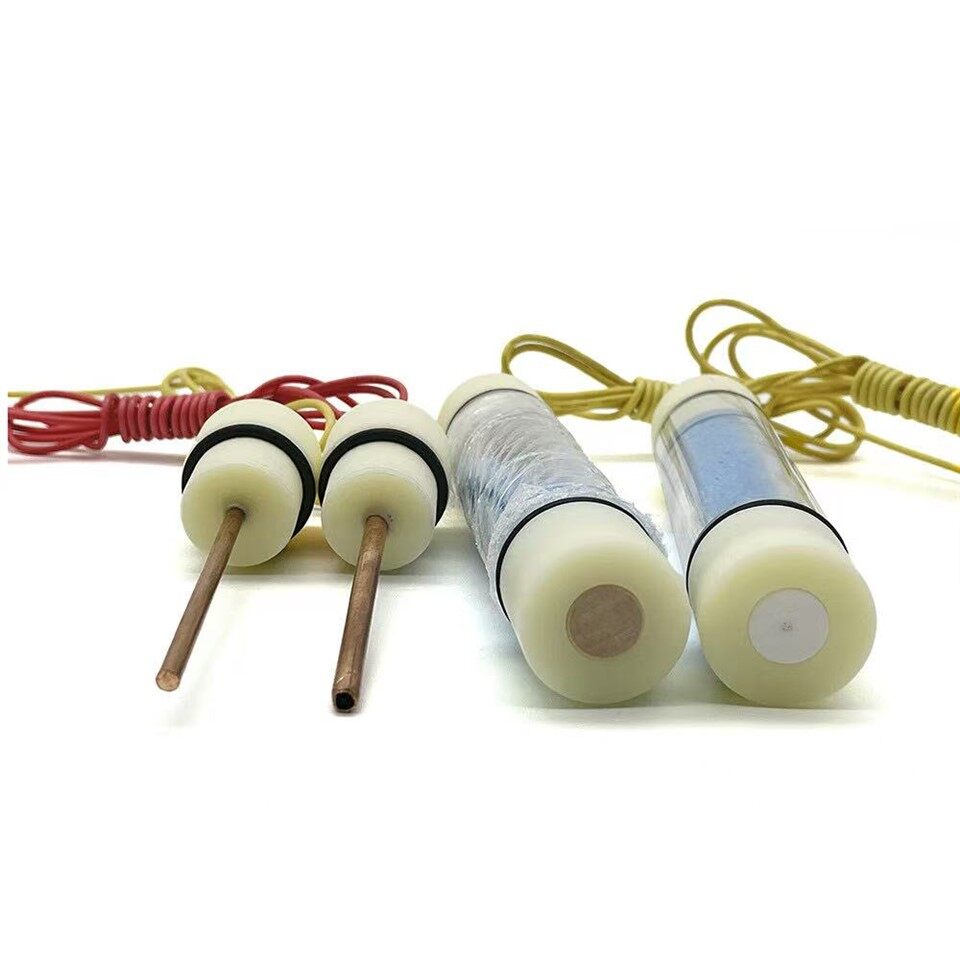
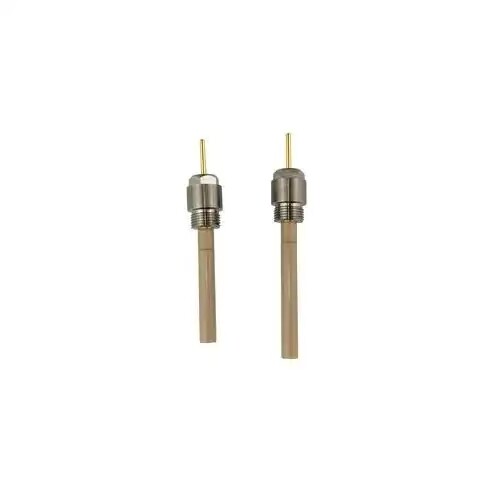
A reference electrode is a crucial component in electrochemical measurements, providing a stable and known reference potential against which the potential of another electrode can be measured. Here’s how it works:
Basic Principles
• Constant Potential: The reference electrode maintains a constant potential that does not change significantly during the measurement process. This is essential for accurate comparisons.
Electrochemical Reaction
It typically uses a reversible electrochemical reaction to establish its potential. Common types of reference electrodes include:
• Calomel Electrode: Contains mercury and mercury(I) chloride (calomel) in a saturated potassium chloride solution. The half-cell reaction is:
Hg2Cl2+2e−⇌2Hg+2Cl−
• Silver/Silver Chloride Electrode: Consists of silver wire coated with silver chloride, immersed in a chloride ion solution. The half-cell reaction is:
AgCl+e−⇌Ag+Cl−
Composition of Ag/AgCl Reference Electrode
Silver Wire Coated with AgCl
The core component is a silver wire coated with a thin layer of silver chloride (AgCl). This coating is essential for establishing the redox reaction that stabilizes the electrode potential.
Electrolyte Solution
The wire is immersed in an electrolyte solution, typically potassium chloride (KCl) saturated with AgCl. This solution ensures a constant concentration of chloride ions, which is critical for maintaining the electrode's stability.
Junction Material
The electrode features a junction made of materials like Teflon, ceramic, or cotton. This junction allows a slow and controlled leakage of the internal fill solution into the sample, ensuring electrical contact and a stable potential.
Comparison with Other Reference Electrodes
Standard Hydrogen Electrode (SHE)
While SHE is the primary reference electrode with a defined potential of 0 V, it is impractical for routine use due to its complexity and the need for a hydrogen gas supply.
Saturated Calomel Electrode (SCE)
SCE is another common reference electrode, but it has limitations, such as a restricted temperature range (up to 50°C) and the use of toxic mercury.
Ag/AgCl Electrode
In comparison, the Ag/AgCl electrode offers a broader temperature range, better chemical stability, and ease of use, making it a preferred choice for many applications.
Construction of Reference Electrodes


Reference electrodes play a crucial role in ion-selective electrode (ISE) analysis by providing a stable and reproducible potential to which the indicating electrode potential can be compared. In order to choose the right reference electrode for a particular analysis, it is important to understand the construction of different types of reference electrodes.
Internal Element and Electrolyte-Containing Filling Solution
The typical reference electrode consists of an internal element, which is usually silver-silver chloride, surrounded by an electrolyte-containing filling solution. The filling solution is commonly potassium chloride (KCl) that has been saturated with silver chloride to prevent the silver chloride layer from becoming stripped. The filling solution is contained in either a glass or plastic body salt bridge that terminates at the liquid junction.
Importance of Keeping the Internal Element Wet
It is crucial that the internal element remains wet and surrounded by the reference electrolyte filling solution. To prevent leakage of the filling solution through the fill hole during shipment, the fill hole is sealed with either tape or a rubber grommet. This seal must be removed prior to use. If this seal is not removed, the fill solution leaks out of the liquid junction, creating a vacuum inside the electrode until the fill solution can no longer flow out of the electrode. This can result in drifting or unstable readings.
Liquid Junction
The liquid junction of a reference electrode is responsible for providing contact with the sample through its liquid junction. The liquid junction can be made of a variety of materials such as ceramic, cotton, or teflon. It is important to select the right fill solution according to the requirements of the application, so that it does not interact with the sample or cause errors in measurement such as if it acts as an interfering ion in ISE analysis.
Reference Electrode Cap
Reference electrodes are shipped with a cap containing reference fill solution covering the liquid junction. The cap is used to keep the liquid junction wet in order for the electrode to function properly.
Other Types of Reference Electrodes
Apart from the Ag/AgCl electrode and the calomel electrode, there are other reference electrodes that may be used in ISE analysis such as the saturated calomel electrode, the silver/silver sulfide electrode, and the silver/silver bromide electrode. The choice of reference electrode depends on the specific requirements of the analysis.
Importance of Proper Maintenance
It is important to properly maintain the reference electrode to ensure its performance remains optimal over time. This includes keeping the internal element wet and ensuring the electrode is properly stored when not in use.
By understanding the construction and characteristics of different types of reference electrodes, laboratory professionals can make informed decisions on selecting the right reference electrode for their ISE analysis, ensuring accurate and reliable results.
Liquid Junctions of a Reference Electrode
The liquid junction allows the leakage of reference electrolyte filling solution into the sample. As a result, it completes the electrical circuit needed for potentiometric measurements. VLC can manufacture reference electrodes in various configurations and from various materials. Also, there are a variety of liquid junction styles and materials to choose from. However, keep in mind that there is no “universal” liquid junction. The difference between the various junction types is mainly the potential that each liquid junction-sample interface generates. Another difference is the flow rate of the reference filling solution through the liquid junction into the sample. The choice of liquid junction type is mostly application dependent.
There are two basic classes of liquid junctions. The first is a “flowing” junction. This class of liquid junction allows the electrolyte in its entirety (liquid/gel and all) to make contact with the sample through the junction (see Glass Sleeve and Open Aperture examples below). Liquid junctions of this type have moderate to high flow rates. Also, they provide low resistance and low junction potentials, but have a higher degree of sample contamination.
The second class of liquid junctions is a “Diffusion” junction (see Annular Ceramic, Ceramic Wick, and also Teflon examples below). This class allows only the ions of the electrolyte to pass through the junction and into the test sample. Diffusion-type liquid junctions exhibit lower flow rates and less sample contamination but easily clog. The table in the next section describes the various reference liquid junctions Alpha offers and also other key details.
Maintenance and Longevity
Regular Calibration
To ensure accurate measurements, the Ag/AgCl reference electrode should be regularly calibrated against a known standard.
Replacement of Fill Solution
The electrolyte solution should be periodically replaced to maintain the electrode's performance and stability.
Inspection of Junction
The junction material should be inspected for clogging or damage, as this can affect the electrode's response time and accuracy.
FAQ
As one of the most professional reference electrode manufacturers and suppliers in China, we're featured by quality products and good price. Please rest assured to buy customized reference electrode from our factory.
double junction ag agcl reference electrode, sacrificial metal on ships, sacrificial anode for steel