

Hey there! As a supplier of anion exchange resin, I often get asked whether this nifty stuff can be used for removing heavy metal anions. Well, let's dive right into it and find out.
First off, what exactly is anion exchange resin? It's a type of polymer material that has the ability to exchange anions in a solution. These resins are made up of tiny beads with a network of pores. Inside these pores, there are functional groups that can attract and hold onto anions.
Now, when it comes to heavy metal anions, things get a bit more interesting. Heavy metals like arsenic, chromium, and selenium can exist in water as anions under certain conditions. For example, arsenic can be present as arsenate (AsO₄³⁻) or arsenite (AsO₃³⁻), depending on the pH and oxidation state of the water.
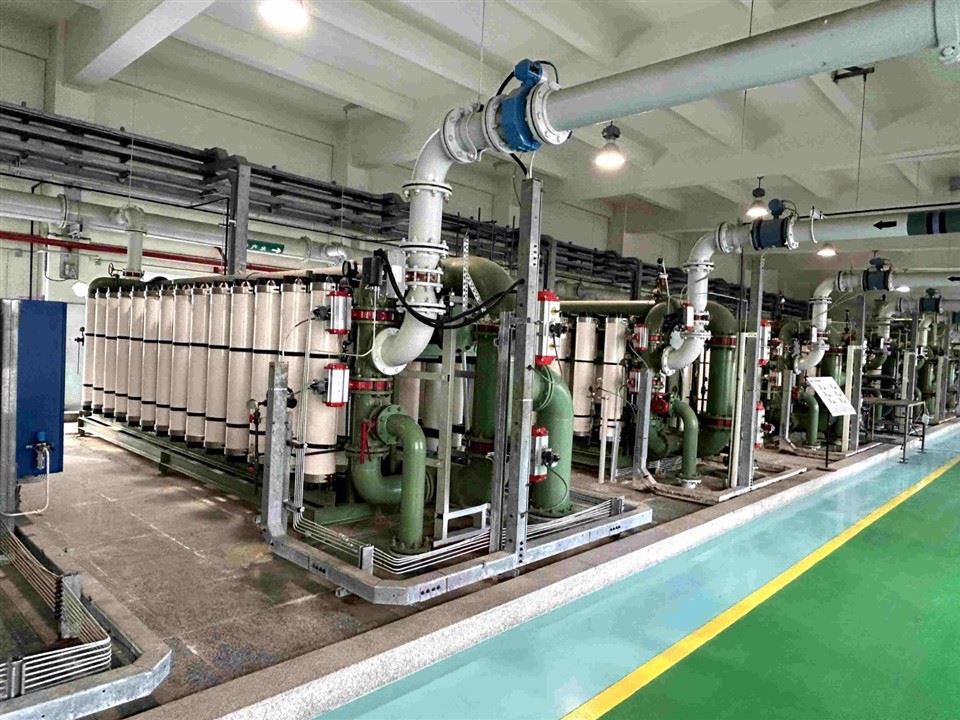

The good news is that anion exchange resin can indeed be used to remove many heavy metal anions from water. The way it works is through an ion - exchange process. When water containing heavy metal anions passes through a bed of anion exchange resin, the resin's functional groups attract the heavy metal anions and exchange them for other anions that are already attached to the resin.
Let's take a closer look at some of the factors that affect the performance of anion exchange resin in removing heavy metal anions.
1. Selectivity
Not all anion exchange resins are created equal when it comes to heavy metal anion removal. Some resins have a higher selectivity for certain heavy metal anions over others. For instance, a resin might have a stronger affinity for arsenate than for chloride ions. This selectivity is determined by the chemical structure of the resin's functional groups. Resin manufacturers often design their products to have high selectivity for specific heavy metal anions, which can be really useful in treating water with known heavy metal contaminants.
2. pH
The pH of the water plays a crucial role in the ion - exchange process. Different heavy metal anions exist in different forms at different pH values. For example, at low pH, arsenic might be present mainly as arsenious acid (H₃AsO₃), which is a neutral molecule and won't be removed by anion exchange resin. But at higher pH, it forms arsenate anions (AsO₄³⁻), which can be effectively removed. So, adjusting the pH of the water to the optimal range for the specific heavy metal anions you want to remove is essential for good resin performance.
3. Competing Anions
In real - world water sources, there are usually other anions present besides the heavy metal anions you're trying to remove. These competing anions can interfere with the ion - exchange process. For example, if there are high levels of chloride or sulfate ions in the water, the resin might preferentially exchange with these common anions instead of the heavy metal anions. This means that the resin's capacity for heavy metal anion removal can be reduced. To overcome this, sometimes pre - treatment steps are needed to remove or reduce the concentration of competing anions.
4. Resin Capacity
The capacity of the anion exchange resin is another important factor. It refers to the amount of heavy metal anions that the resin can adsorb before it needs to be regenerated. The capacity depends on the resin's physical and chemical properties, such as the density of functional groups and the pore structure. Resins with higher capacity can treat more water before regeneration, which can be cost - effective in the long run.
Applications of Anion Exchange Resin in Heavy Metal Anion Removal
Anion exchange resin has a wide range of applications in removing heavy metal anions from different water sources.
Industrial Wastewater Treatment
Many industries, such as mining, electroplating, and semiconductor manufacturing, generate wastewater containing heavy metal anions. Anion exchange resin can be used to treat this wastewater and remove the heavy metals before discharging it into the environment. This not only helps to meet environmental regulations but also allows for the recovery of valuable metals in some cases.
Drinking Water Treatment
In areas where the groundwater or surface water is contaminated with heavy metal anions, anion exchange resin can be used in drinking water treatment plants. For example, in regions with high arsenic levels in the water, anion exchange resin can be an effective way to reduce the arsenic concentration to safe levels for human consumption.
Seawater Desalination System
Even in seawater desalination, anion exchange resin can play a role. Although seawater mainly contains common anions like chloride and sulfate, it may also have trace amounts of heavy metal anions. Using anion exchange resin in the desalination process can help to remove these contaminants and produce high - quality freshwater.
Condensate Water Treatment
In power plants and industrial processes, condensate water can become contaminated with heavy metal anions. Anion exchange resin can be used to treat this condensate water, ensuring that it can be reused in the process, which saves water and reduces operating costs.
Brackish Water Desalination
Brackish water often contains heavy metal anions along with other salts. Anion exchange resin can be integrated into the brackish water desalination process to remove these heavy metals and make the water suitable for various uses, such as irrigation or industrial applications.
Regeneration of Anion Exchange Resin
After the anion exchange resin has adsorbed a certain amount of heavy metal anions, it needs to be regenerated. Regeneration involves passing a solution of a strong electrolyte (usually a salt solution) through the resin bed. The electrolyte solution contains anions that will displace the heavy metal anions from the resin's functional groups, restoring the resin's ability to adsorb heavy metal anions again.
The choice of regenerant and the regeneration process parameters (such as concentration, flow rate, and contact time) are important to ensure efficient regeneration. Proper regeneration not only extends the life of the resin but also helps to maintain its performance in heavy metal anion removal.
Conclusion
So, to answer the question "Can anion exchange resin be used in the removal of heavy metal anions?" - the answer is a resounding yes! Anion exchange resin is a powerful tool for removing heavy metal anions from various water sources. However, its effectiveness depends on several factors, including selectivity, pH, competing anions, and resin capacity.
If you're dealing with water contaminated with heavy metal anions, whether it's in an industrial setting or for drinking water treatment, anion exchange resin could be the solution you're looking for. As a supplier of high - quality anion exchange resin, I'm here to help you find the right product for your specific needs. Whether you need advice on resin selection, installation, or regeneration, don't hesitate to get in touch. Let's work together to solve your heavy metal anion removal problems and ensure clean and safe water.
References
- Helfferich, F. (1962). Ion Exchange. McGraw - Hill.
- Sengupta, A. K., & Clifford, D. A. (1995). Removal of arsenic from water by ion exchange resins. Journal of Environmental Engineering, 121(11), 783 - 790.
- Crittenden, J. C., Trussell, R. R., Hand, D. W., Howe, K. J., & Tchobanoglous, G. (2012). MWH's Water Treatment: Principles and Design. Wiley.