

Municipal disinfection is a critical aspect of urban management that significantly impacts the overall quality of life in a city. As a supplier in the field of municipal disinfection, I have witnessed firsthand the transformative power of effective disinfection measures on urban environments. In this blog, I will explore how municipal disinfection can improve the quality of life in a city, highlighting the benefits, effective methods, and the role of advanced systems like the Salt Water Electro Chlorination System and Seawater Electro Chlorination System.
The Importance of Municipal Disinfection
Municipal disinfection serves a multitude of purposes that directly and indirectly enhance the quality of life for city dwellers. Firstly, it is crucial for public health. By eliminating harmful pathogens such as bacteria, viruses, and fungi from public spaces, water supplies, and sewage systems, municipal disinfection prevents the spread of infectious diseases. In densely populated cities, where the risk of disease transmission is high, proper disinfection can be a life - saving measure. For example, disinfecting public water sources ensures that residents have access to clean and safe drinking water, reducing the incidence of water - borne diseases like cholera, typhoid, and hepatitis A.
Secondly, municipal disinfection contributes to environmental protection. When waste water is properly disinfected before being released into natural water bodies, it minimizes the pollution of rivers, lakes, and oceans. This protects aquatic ecosystems and the biodiversity they support. Moreover, disinfection of public spaces, such as parks, playgrounds, and subways, reduces the accumulation of harmful substances and pollutants, creating a cleaner and more sustainable urban environment.
Improving Public Health
One of the most significant ways municipal disinfection improves the quality of life is through safeguarding public health. In hospitals, clinics, and other healthcare facilities within the city, regular disinfection is essential to prevent the spread of healthcare - associated infections. High - touch surfaces like doorknobs, bed rails, and medical equipment are hotspots for pathogen transmission. By using appropriate disinfectants and disinfection protocols, the risk of patients and healthcare workers contracting infections is significantly reduced.
In schools and educational institutions, municipal disinfection helps create a healthy learning environment. Children are more vulnerable to infections, and a clean and disinfected school can prevent the outbreaks of common illnesses such as the flu and norovirus. Regular cleaning and disinfection of classrooms, cafeterias, and restrooms can keep students and teachers healthy and ensure continuous learning.
Enhancing Cleanliness and Aesthetics
Municipal disinfection also plays a key role in enhancing the cleanliness and aesthetics of a city. Clean streets, buildings, and public spaces create a more pleasant and inviting atmosphere for residents and visitors. For instance, disinfection of public restrooms not only eliminates unpleasant odors but also reduces the presence of germs and bacteria. This makes these facilities more usable and less off - putting.
In addition, disinfection of public transportation systems, such as buses, trains, and subways, improves the overall travel experience. Passengers are more likely to use these services when they feel that the environment is clean and safe. This, in turn, can encourage the use of public transportation, reducing traffic congestion and air pollution.
Effective Disinfection Methods and Advanced Systems
To achieve effective municipal disinfection, a variety of methods and technologies can be employed. Chemical disinfection is one of the most common approaches. Chlorine, for example, is widely used in water treatment plants due to its effectiveness in killing a wide range of pathogens. However, the use of traditional chlorine - based disinfectants can have some drawbacks, such as the formation of disinfection by - products (DBPs) which may be harmful to human health.
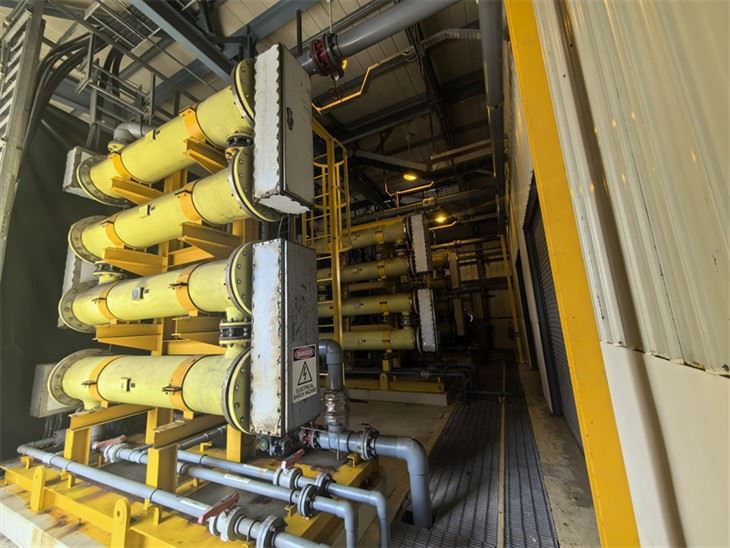
This is where advanced systems like the Salt Water Electro Chlorination System and Seawater Electro Chlorination System come into play. These systems use electro - chemical processes to generate chlorine on - site from salt water or seawater. The advantage of these systems is that they produce a more consistent and controlled amount of disinfectant, reducing the formation of DBPs. Moreover, they are more cost - effective and environmentally friendly as they eliminate the need for the transportation and storage of hazardous chemicals.

Challenges and Solutions in Municipal Disinfection
Despite the clear benefits of municipal disinfection, there are several challenges that need to be addressed. One of the main challenges is the high cost associated with implementing and maintaining disinfection systems. However, the long - term benefits in terms of public health and environmental protection often outweigh the initial investment. Advanced systems like the ones mentioned above can help reduce costs in the long run by minimizing the use of external chemicals and improving energy efficiency.
Another challenge is ensuring public acceptance and participation in disinfection programs. Some people may be concerned about the use of chemicals in disinfection or may not understand the importance of certain disinfection measures. To overcome this, educational campaigns can be launched to inform the public about the benefits of municipal disinfection and the safety of the methods used.
The Role of a Municipal Disinfection Supplier
As a municipal disinfection supplier, my role is to provide cities with the most effective and sustainable disinfection solutions. I work closely with city planners, environmental agencies, and public health officials to understand their specific needs and challenges. Based on this, I recommend the most suitable disinfection systems and products, such as the Salt Water Electro Chlorination System and Seawater Electro Chlorination System.
In addition to supplying the products, I also offer installation, maintenance, and training services. Proper installation and regular maintenance are essential for the optimal performance of disinfection systems. Training programs for city staff ensure that they can operate the systems safely and effectively.
Conclusion
In conclusion, municipal disinfection can significantly improve the quality of life in a city. By protecting public health, enhancing environmental quality, and improving cleanliness and aesthetics, it creates a more livable and sustainable urban environment. Advanced disinfection systems, like the Salt Water Electro Chlorination System and Seawater Electro Chlorination System, offer more effective and environmentally friendly solutions to the challenges of municipal disinfection.
If you are a city planner, environmental official, or involved in any aspect of urban management and are interested in learning more about how our municipal disinfection solutions can improve the quality of life in your city, please don't hesitate to reach out. We are dedicated to providing the best products and services to help you create a cleaner, healthier, and more sustainable urban environment.
References
- World Health Organization. (2017). Guidelines for drinking - water quality.
- U.S. Environmental Protection Agency. (2019). Disinfection in water treatment.
- European Centre for Disease Prevention and Control. (2021). Healthcare - associated infections in Europe.