

Hey there! As a supplier of seawater reverse osmosis (SWRO) systems, I've seen firsthand how tides can really throw a curveball into the works. Tides are like the heartbeat of the ocean, constantly rising and falling, and they can have some pretty significant impacts on SWRO intake systems. Let's dive right in and take a closer look at what these impacts are.
Water Quality Variations
One of the most obvious impacts of tides on SWRO intake systems is the change in water quality. During high tide, the water near the shore is often more diluted with fresh water runoff from rivers and streams. This can lead to a decrease in the salinity of the seawater, which might sound like a good thing at first. After all, lower salinity means less energy is required to desalinate the water. However, it also means that the water might contain more suspended solids, organic matter, and microorganisms.
These contaminants can foul the membranes in the SWRO system, reducing their efficiency and lifespan. For example, algae blooms are more likely to occur during high tide when there's an influx of nutrients from the fresh water. These algae can clog the pre - filters and membranes, causing the system to operate at a lower capacity and increasing the frequency of maintenance.
On the other hand, during low tide, the seawater near the shore becomes more concentrated. The salinity increases, which means the SWRO system has to work harder to remove the salts. This not only consumes more energy but also puts more stress on the membranes. High salinity can also lead to the precipitation of scale - forming minerals such as calcium carbonate and magnesium sulfate on the membranes. This scaling can reduce the water flux through the membranes and increase the operating pressure required for the system to function properly.
Intake Depth and Flow Rate
Tides also affect the intake depth and flow rate of SWRO systems. At high tide, the water level is higher, which means the intake pipes can be placed at a greater depth. This can be beneficial because deeper water is generally less affected by surface contaminants and has a more stable temperature. However, it also means that the intake pipes need to be longer and more robust to withstand the increased hydrostatic pressure.
The flow rate of the intake water can also vary with the tides. During high tide, the water moves more rapidly, which can increase the flow rate into the intake system. While this might seem like an advantage, it can also cause problems. The high flow rate can carry more debris and sediment into the intake pipes, increasing the risk of clogging. Additionally, the sudden increase in flow rate can put a strain on the pumps and other components of the system.
Conversely, during low tide, the water level drops, and the flow rate decreases. This can lead to a reduced water supply to the SWRO system, which can affect its overall performance. If the flow rate is too low, the system might not be able to operate at its design capacity, resulting in a lower production of fresh water.
Equipment Design and Maintenance
The impacts of tides on SWRO intake systems also have implications for equipment design and maintenance. When designing an SWRO intake system, engineers need to take into account the tidal variations in water quality, depth, and flow rate. For example, the pre - treatment system needs to be designed to handle the different levels of contaminants present at high and low tide. This might involve using multiple types of filters and chemical treatment processes.

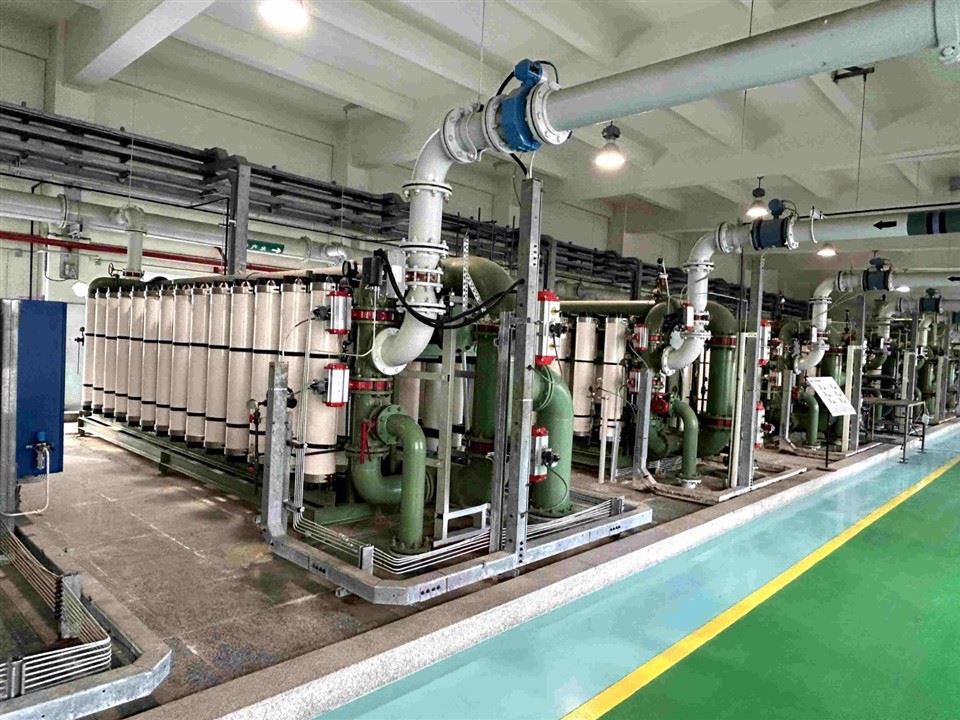
The intake pipes need to be designed to withstand the changes in hydrostatic pressure and the forces exerted by the moving water. They should be made of materials that are resistant to corrosion and abrasion. Regular maintenance is also crucial to ensure the proper functioning of the intake system. This includes inspecting the intake pipes for damage, cleaning the pre - filters, and monitoring the water quality.
Mitigation Strategies
So, what can we do to mitigate the impacts of tides on SWRO intake systems? One approach is to use advanced monitoring and control systems. These systems can continuously monitor the water quality, flow rate, and other parameters at the intake. Based on the real - time data, the system can adjust the operation of the pre - treatment and desalination processes. For example, if the water quality deteriorates during high tide, the system can increase the dosage of chemicals to remove the contaminants.
Another strategy is to optimize the intake location. By carefully selecting the location of the intake pipes, we can minimize the effects of tides. For example, placing the intake pipes in areas with less freshwater runoff or in deeper water can help reduce the variations in water quality.
We can also invest in more robust and flexible equipment. For instance, using high - performance membranes that are more resistant to fouling and scaling can improve the efficiency of the SWRO system. Additionally, having a backup power supply and redundant pumps can ensure that the system can continue to operate even during low - flow conditions.
Conclusion
In conclusion, tides have a significant impact on SWRO intake systems. The variations in water quality, intake depth, and flow rate can pose challenges to the operation and performance of these systems. However, by understanding these impacts and implementing appropriate mitigation strategies, we can ensure that the SWRO systems operate efficiently and reliably.
If you're in the market for a Seawater Desalination System, Brackish Water Desalination solution, or Condensate Water Treatment, I'd love to have a chat with you. We've got the expertise and the technology to provide you with a top - notch system that can handle the challenges posed by tides and other environmental factors. Reach out to us to start a procurement discussion and find the best solution for your needs.
References
- "Desalination Technology and Engineering" by William A. Anderson
- "Water Treatment Handbook" by Peter M. Huck and Mark M. Clark
- Journal articles on seawater reverse osmosis and tidal effects on water intake systems