

Hey there! I'm part of a brine electrolysis supplier team, and today I wanna dive deep into the products of brine electrolysis. It's a super interesting topic that has a wide range of applications in various industries.
First off, let's understand what brine electrolysis is. Brine is basically a concentrated solution of salt (usually sodium chloride, NaCl) in water. When an electric current is passed through this brine solution, a chemical reaction occurs at the electrodes, and this process is called brine electrolysis.
One of the most well - known products of brine electrolysis is chlorine gas (Cl₂). Chlorine is an extremely important industrial chemical. It's used in a ton of different ways. For instance, in the water treatment industry, chlorine is a key disinfectant. It helps to kill harmful bacteria, viruses, and other pathogens in drinking water and wastewater. This is crucial for public health, as it prevents the spread of water - borne diseases like cholera, typhoid, and dysentery.
In the manufacturing of plastics, chlorine is a major component. Polyvinyl chloride (PVC), one of the most widely used plastics in the world, is made using chlorine. PVC is used in everything from pipes and cables to window frames and flooring. It's durable, cost - effective, and has a long lifespan, which makes it a popular choice in construction and other industries.
Another important product of brine electrolysis is sodium hydroxide (NaOH), also known as caustic soda. Sodium hydroxide is a strong base and has a wide range of industrial applications. In the pulp and paper industry, it's used to break down wood chips into pulp. It helps to dissolve the lignin, which binds the cellulose fibers together in the wood, allowing the fibers to be separated and used to make paper.
In the textile industry, sodium hydroxide is used in the mercerization process. This process improves the strength, luster, and dye - affinity of cotton fibers. It makes the cotton look better, feel softer, and hold color more effectively.

Sodium hydroxide is also used in the production of soap and detergents. It reacts with fats and oils in a process called saponification to produce soap. In detergents, it helps to break down grease and dirt, making them easier to remove from clothes and other surfaces.
Hydrogen gas (H₂) is also produced during brine electrolysis. Hydrogen has a lot of potential as a clean energy source. It can be used in fuel cells to generate electricity with only water as a by - product. This makes it an attractive option for reducing greenhouse gas emissions and combating climate change. In the chemical industry, hydrogen is used in the production of ammonia (NH₃), which is a key ingredient in fertilizers.
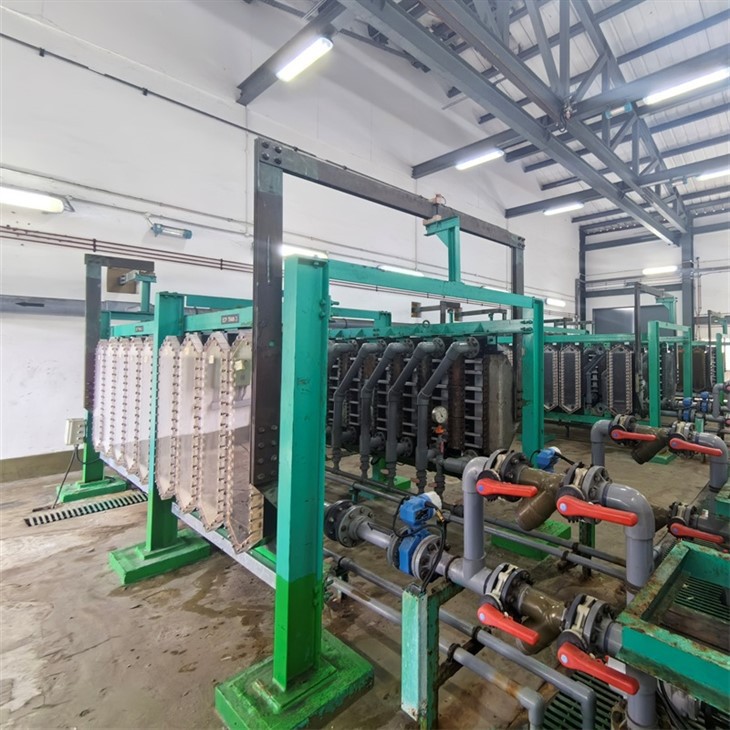
Now, let's talk about the different types of brine electrolysis systems we offer. We have the Seawater Electro Chlorination System. This system uses seawater as the source of brine. Seawater is a readily available and abundant source of salt, making it a cost - effective option for large - scale applications. It's great for industries like desalination plants, where it can be used to disinfect the water and prevent biofouling in the membranes.
We also have the Salt Water Electro Chlorination System. This system uses a salt solution prepared from common table salt. It's more suitable for smaller - scale applications, such as swimming pools and small water treatment facilities. It's easy to install and operate, and it provides a reliable source of chlorine for disinfection.
The products of brine electrolysis are not only important for industrial processes but also for our daily lives. They play a crucial role in keeping our water clean, our homes and clothes clean, and our industries running smoothly. Whether you're in the water treatment, manufacturing, or energy sector, our brine electrolysis systems can provide you with the products you need in a cost - effective and efficient way.
If you're interested in learning more about our brine electrolysis systems and how they can benefit your business, we'd love to hear from you. Whether you have questions about the products, the systems, or the installation process, our team of experts is here to help. We can provide you with detailed information, technical support, and customized solutions to meet your specific needs. So, don't hesitate to reach out and start a conversation with us. Let's work together to find the best brine electrolysis solution for your business.
References
- Kirk - Othmer Encyclopedia of Chemical Technology
- Ullmann's Encyclopedia of Industrial Chemistry
- Journal of Chemical Education