

Yo, folks! As a supplier of ion exchange systems, I often get asked a bunch of questions about what these systems can and can't do. One question that pops up quite a bit is, "Can an ion exchange system remove sulfate?" Well, let's dig into this topic and find out.
First off, let's understand what an ion exchange system is. In simple terms, it's a water treatment method that uses resin beads to swap unwanted ions in water with more desirable ones. These resin beads are like little sponges that attract and hold onto certain ions based on their charge and size.
Now, let's talk about sulfate. Sulfate is a common anion found in water. It can come from natural sources like minerals in the ground, or it can be a result of industrial activities. High levels of sulfate in water can cause some issues. For example, it can give water a bitter taste, and in large amounts, it can even have a laxative effect. So, removing sulfate from water can be pretty important in some cases.
The good news is that, yes, an ion exchange system can remove sulfate. But, like most things in life, it's not that simple. There are a few factors that can affect how well an ion exchange system can remove sulfate.
One of the main factors is the type of resin used in the system. There are different types of resins, and each has its own affinity for different ions. For sulfate removal, a strong base anion (SBA) resin is often used. These resins have a high affinity for sulfate ions, which means they can attract and hold onto them quite well. When water passes through the resin bed, the sulfate ions in the water are exchanged for other anions, usually chloride ions, that are already on the resin beads.
Another factor is the presence of other ions in the water. Water is rarely just made up of one type of ion. It usually contains a mix of different cations and anions. Some of these other ions can compete with sulfate for the available sites on the resin beads. For example, if there are high levels of bicarbonate or carbonate ions in the water, they may bind to the resin beads instead of sulfate, reducing the system's ability to remove sulfate.
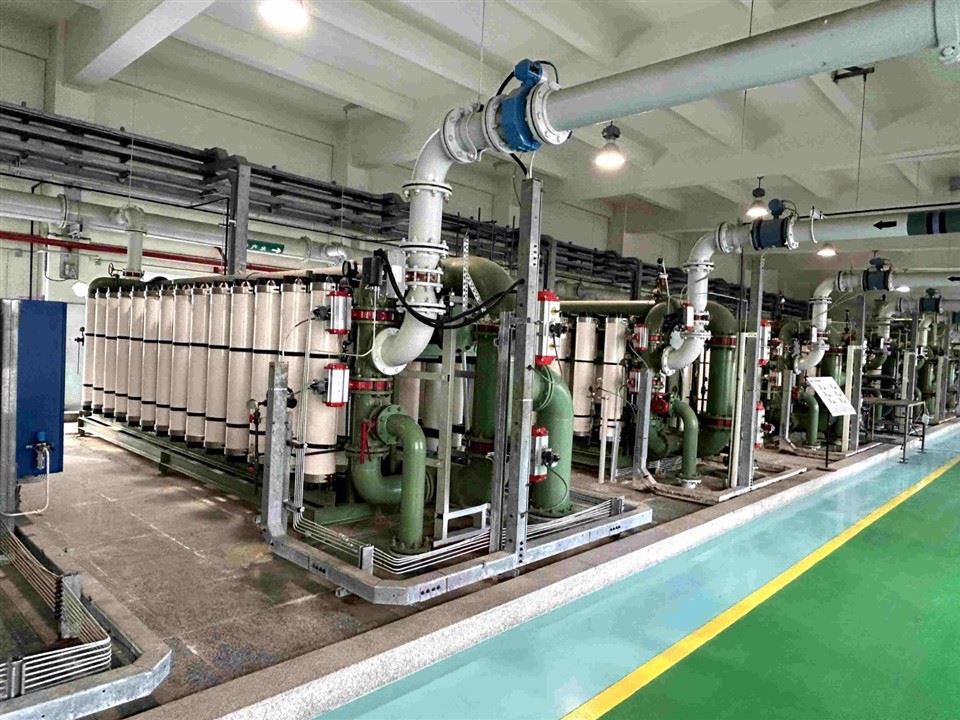

The flow rate of the water through the ion exchange system also matters. If the water flows too quickly through the resin bed, the sulfate ions may not have enough time to bind to the resin beads. On the other hand, if the flow rate is too slow, it can lead to longer treatment times and potentially higher operating costs.
Now, let's take a look at some real - world applications where sulfate removal using an ion exchange system can be useful.
In the industrial sector, many processes require water with low sulfate levels. For example, in the food and beverage industry, high sulfate levels in water can affect the taste and quality of the products. An ion exchange system can be used to treat the water used in these processes, ensuring that the final products meet the desired standards.
In the power generation industry, condensate water treatment is crucial. Condensate water often contains various impurities, including sulfate. By using an ion exchange system, the sulfate can be removed, helping to prevent corrosion and scale formation in the power plant's equipment. Check out our Condensate Water Treatment page for more info on how our systems can help in this area.
Seawater desalination is another,where sulfate removal is important. Seawater has high levels of sulfate, and if not removed, it can cause problems in the desalination process. Our Seawater Desalination System can be equipped with ion exchange technology to effectively remove sulfate and other impurities from seawater.
Demineralization is also a common application. A Demineralization System using ion exchange can remove a wide range of ions, including sulfate, to produce high - purity water for various industrial and laboratory applications.
But, as I mentioned earlier, an ion exchange system isn't a one - size - fits - all solution for sulfate removal. There are some limitations. One of the biggest limitations is the need for regeneration. Over time, the resin beads in the ion exchange system become saturated with the ions they've removed from the water. When this happens, the system needs to be regenerated. Regeneration involves flushing the resin bed with a concentrated solution of the ions that we want to replace the removed ions with. For sulfate removal using SBA resin, a sodium chloride solution is often used for regeneration. This process can be costly in terms of chemicals and water usage, and it also generates waste that needs to be properly disposed of.
Another limitation is the cost. Ion exchange systems can be relatively expensive to install and operate. The cost of the resin, the regeneration chemicals, and the energy required to run the system can add up. So, before deciding to use an ion exchange system for sulfate removal, it's important to consider the cost - effectiveness compared to other water treatment methods.
Despite these limitations, ion exchange systems are still a popular choice for sulfate removal in many situations. They offer a reliable and effective way to remove sulfate from water, especially when the water quality requirements are high.
So, if you're dealing with high sulfate levels in your water and you're considering an ion exchange system, here are a few things to keep in mind. First, have your water tested. A professional water analysis will tell you the exact composition of your water, including the concentration of sulfate and other ions. This information will help you choose the right type of resin and design the most effective ion exchange system.
Second, consider the long - term costs. As I mentioned, the cost of installation, operation, and maintenance can be significant. Make sure you have a clear understanding of these costs before making a decision.
And finally, don't hesitate to reach out to us. As an experienced ion exchange system supplier, we have the knowledge and expertise to help you find the best solution for your specific needs. Whether you're in the industrial, commercial, or residential sector, we can provide you with a customized ion exchange system that will effectively remove sulfate from your water.
If you're interested in learning more about our ion exchange systems or have any questions about sulfate removal, feel free to contact us. We're here to help you make the right decision for your water treatment needs.
References
- AWWA (American Water Works Association). Water Quality and Treatment: A Handbook of Community Water Supplies.
- Crittenden, J. C., Trussell, R. R., Hand, D. W., Howe, K. J., & Tchobanoglous, G. (2012). MWH's Water Treatment: Principles and Design.