

Electrolytic chlorine, produced through the process of electrolysis, has emerged as a viable alternative for disinfection in various settings. As a supplier of electrolytic chlorine solutions, I often encounter inquiries about its suitability for school facilities. In this blog post, I will explore the feasibility of using electrolytic chlorine in school disinfection, considering its effectiveness, safety, and practicality.
Understanding Electrolytic Chlorine
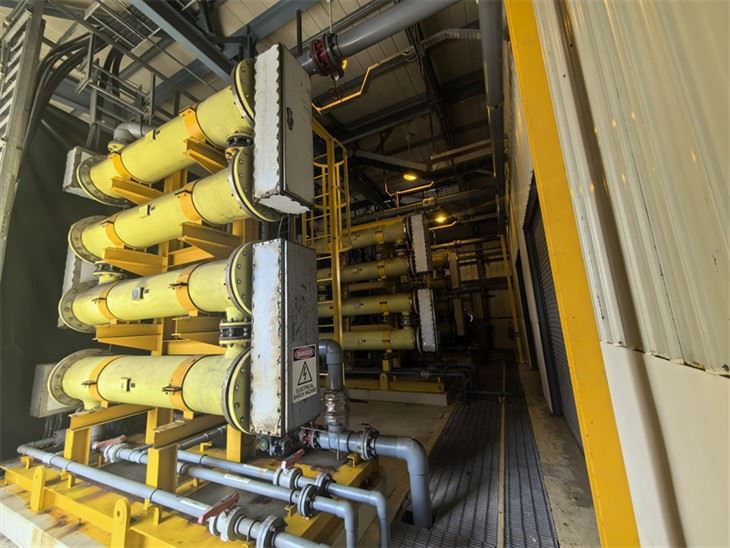
Electrolytic chlorine is generated by passing an electric current through a saltwater solution. This process splits the salt (sodium chloride) into its components: sodium hydroxide, hydrogen gas, and chlorine gas. The chlorine gas can then be dissolved in water to form hypochlorous acid (HOCl), a powerful disinfectant. There are two main types of electrolytic chlorine systems: Seawater Electro Chlorination System and Salt Water Electro Chlorination System. The former uses seawater as the source of salt, while the latter uses a salt brine solution.
Effectiveness of Electrolytic Chlorine in Disinfection
One of the primary concerns when it comes to school disinfection is the ability to effectively eliminate harmful pathogens. Electrolytic chlorine, in the form of hypochlorous acid, is a broad-spectrum disinfectant that can kill a wide range of bacteria, viruses, and fungi. It works by disrupting the cell membranes and metabolic processes of these microorganisms, rendering them inactive.
Numerous studies have demonstrated the effectiveness of hypochlorous acid against common school-related pathogens, such as influenza viruses, noroviruses, and Staphylococcus aureus. For example, a study published in the Journal of Applied Microbiology found that hypochlorous acid was highly effective in inactivating influenza A viruses on various surfaces. Another study in the Journal of Hospital Infection showed that it could significantly reduce the presence of noroviruses on environmental surfaces.
In addition to its pathogen-killing capabilities, electrolytic chlorine can also help control the growth of biofilms. Biofilms are communities of microorganisms that adhere to surfaces and can be difficult to remove. They can harbor pathogens and contribute to the spread of infections. Hypochlorous acid has been shown to penetrate biofilms and disrupt their structure, making it easier to clean and disinfect surfaces.
Safety Considerations
Safety is of utmost importance when using any disinfectant in a school environment. Electrolytic chlorine, when used correctly, is generally considered to be a safe option. Hypochlorous acid is a milder form of chlorine compared to traditional chlorine-based disinfectants, such as sodium hypochlorite (bleach). It has a lower pH and is less likely to cause irritation to the skin, eyes, and respiratory system.
However, it is still important to follow proper safety protocols when handling electrolytic chlorine. This includes wearing appropriate personal protective equipment (PPE), such as gloves and goggles, and ensuring adequate ventilation in the area where the disinfectant is being used. It is also crucial to store the electrolytic chlorine solution properly and keep it out of reach of children.

Practicality in School Settings
In addition to effectiveness and safety, practicality is another key factor to consider when choosing a disinfectant for school facilities. Electrolytic chlorine systems offer several advantages in terms of practicality.
One of the main benefits is the on-site generation of chlorine. With an electrolytic chlorine system, schools can produce their own disinfectant on demand, eliminating the need to store large quantities of pre-made disinfectants. This not only reduces the risk of chemical spills and storage issues but also ensures a fresh supply of disinfectant at all times.
Another advantage is the ease of use. Electrolytic chlorine systems are relatively simple to operate and require minimal maintenance. Once the system is installed, it can be programmed to produce the desired concentration of disinfectant automatically. This makes it a convenient option for school staff, who may not have extensive training in chemical handling.
Furthermore, electrolytic chlorine is a cost-effective solution in the long run. While the initial investment in an electrolytic chlorine system may be higher compared to traditional disinfectants, the ongoing costs of producing the disinfectant are relatively low. Schools can save money on purchasing pre-made disinfectants and reduce their overall chemical usage.
Challenges and Limitations
While electrolytic chlorine has many advantages, there are also some challenges and limitations to consider.
One of the main challenges is the need for a reliable power source. Electrolytic chlorine systems rely on electricity to generate chlorine, so a stable power supply is essential. In areas with frequent power outages, this may pose a problem.
Another limitation is the potential for corrosion. Electrolytic chlorine solutions can be corrosive to certain metals, such as aluminum and copper. Therefore, it is important to use compatible materials when installing the electrolytic chlorine system and when disinfecting surfaces.
Finally, the effectiveness of electrolytic chlorine can be affected by factors such as temperature, pH, and organic matter. In some cases, higher concentrations of disinfectant or longer contact times may be required to achieve the desired level of disinfection.
Conclusion
In conclusion, electrolytic chlorine can be a viable option for the disinfection of school facilities. It offers effective pathogen control, is relatively safe to use, and is practical in terms of on-site generation and ease of use. However, it is important to carefully consider the specific needs and circumstances of each school before deciding to implement an electrolytic chlorine system.
If you are interested in learning more about electrolytic chlorine solutions for your school or would like to discuss a potential purchase, please feel free to reach out. Our team of experts is available to provide you with detailed information and guidance on the best disinfection solutions for your needs.
References
- Journal of Applied Microbiology. (Year). Study on the inactivation of influenza A viruses by hypochlorous acid.
- Journal of Hospital Infection. (Year). Efficacy of hypochlorous acid against noroviruses on environmental surfaces.