

Hey there! As a supplier of seawater ultrafiltration systems, I've seen firsthand how crucial it is to understand the ins and outs of membrane technology. One of the key factors that can make or break the performance of a seawater ultrafiltration system is the membrane thickness. In this blog post, I'm going to dive into how membrane thickness affects seawater ultrafiltration and why it matters for your water treatment needs.

What is Seawater Ultrafiltration?
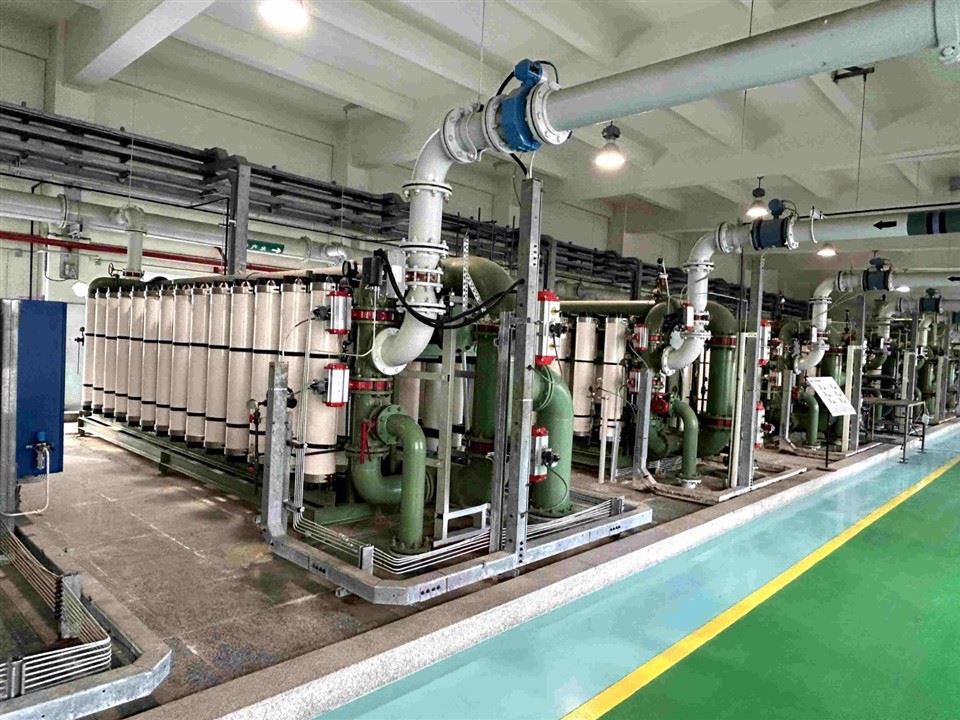
Before we get into the nitty - gritty of membrane thickness, let's quickly go over what seawater ultrafiltration is. Ultrafiltration is a pressure - driven membrane filtration process that uses semi - permeable membranes to separate particles, colloids, and macromolecules from seawater. It's an important step in many water treatment processes, especially in Seawater Desalination System, Condensate Water Treatment, and Brackish Water Desalination.
The main goal of seawater ultrafiltration is to remove suspended solids, bacteria, and some viruses from the seawater, producing a cleaner feed water for subsequent treatment steps. This helps to protect downstream equipment, such as reverse osmosis membranes, from fouling and damage.
How Membrane Thickness Affects Permeability
One of the most significant ways membrane thickness impacts seawater ultrafiltration is through its effect on permeability. Permeability refers to the ability of water to pass through the membrane. Generally speaking, thinner membranes have higher permeability.
When a membrane is thin, water molecules have a shorter distance to travel through the membrane structure. This means there is less resistance for the water to overcome, allowing it to flow through more easily. As a result, a thinner membrane can achieve a higher flux, which is the volume of water that passes through the membrane per unit area and time.
On the other hand, thicker membranes have lower permeability. The increased thickness creates more resistance for the water molecules, slowing down their passage through the membrane. This can lead to lower flux rates, which means you may need a larger membrane area to achieve the same amount of water production.
However, it's not all about having the thinnest membrane possible. Thinner membranes can also be more fragile and prone to damage. They may not be able to withstand high pressures or physical stresses as well as thicker membranes. So, there's a balance that needs to be struck between permeability and membrane durability.
Impact on Rejection Efficiency
Membrane thickness also plays a role in rejection efficiency. Rejection efficiency is the ability of the membrane to retain certain substances, such as salts, particles, and contaminants, while allowing water to pass through.
In general, thicker membranes tend to have better rejection efficiency. The extra thickness provides more opportunities for the membrane to trap and retain unwanted substances. The longer path that the water and solutes have to travel through the membrane increases the likelihood of interactions between the solutes and the membrane material, leading to better rejection.
For example, in seawater ultrafiltration, if you're trying to remove a high percentage of suspended solids and bacteria, a thicker membrane may be more effective. It can act as a more reliable barrier, preventing these contaminants from passing through to the permeate side of the membrane.
But again, there are trade - offs. As we mentioned earlier, thicker membranes have lower permeability. So, while they may reject more contaminants, they may also require more energy to operate due to the lower flux rates. And if the membrane is too thick, it could even start to trap too much material on its surface, leading to fouling and a decrease in overall performance over time.
Fouling and Cleaning
Fouling is a major challenge in seawater ultrafiltration. It occurs when particles, colloids, and organic matter accumulate on the membrane surface or within the membrane pores, reducing the membrane's performance. Membrane thickness can have a significant impact on fouling behavior and the ease of cleaning.
Thinner membranes are more likely to experience surface fouling. Since they have a higher flux, more water and contaminants are passing through the membrane at a faster rate. This can cause contaminants to build up on the membrane surface more quickly. However, because the membrane is thin, it may be easier to clean. The shorter path for the cleaning agents to travel through the membrane means that they can more effectively reach and remove the fouling materials.
Thicker membranes, on the other hand, may be less prone to surface fouling because of their lower flux rates. But if fouling does occur within the pores of a thick membrane, it can be more difficult to clean. The longer and more tortuous path that the cleaning agents have to travel through the membrane makes it harder to reach and dislodge the fouling materials.
Cost Considerations
When it comes to choosing the right membrane thickness for your seawater ultrafiltration system, cost is an important factor. Thinner membranes are generally less expensive to manufacture. They require less material, and the production process may be simpler. This can translate into lower upfront costs for your water treatment system.
However, as we've discussed, thinner membranes may have lower durability and may need to be replaced more frequently. This can increase the long - term operating costs. You'll also need to consider the energy costs associated with operating a system with a thinner membrane. If you need to increase the pressure to achieve a certain flux rate, it will consume more energy.
Thicker membranes, while more expensive upfront, may offer better long - term value. They can last longer, reducing the frequency of membrane replacements. And in some cases, the lower energy requirements due to better rejection efficiency may offset the higher initial cost.
Finding the Right Balance
So, how do you find the right membrane thickness for your seawater ultrafiltration needs? It really depends on your specific requirements.
If you have a high - volume water production target and can tolerate a slightly lower rejection efficiency, a thinner membrane may be a good choice. It can provide high flux rates and relatively low upfront costs. But you'll need to ensure that you have a proper pre - treatment system in place to protect the membrane from damage and fouling.
On the other hand, if you need to achieve a very high rejection rate, such as in applications where the downstream equipment is very sensitive to contaminants, a thicker membrane may be more suitable. You'll need to factor in the higher upfront cost and the potential for more difficult cleaning, but the long - term performance and protection of your system may justify the investment.
Conclusion
In conclusion, membrane thickness is a critical factor in seawater ultrafiltration. It affects permeability, rejection efficiency, fouling behavior, and cost. As a seawater ultrafiltration supplier, I understand that every customer's needs are unique. That's why we offer a range of membrane options with different thicknesses to meet your specific requirements.
If you're in the market for a seawater ultrafiltration system or are looking to upgrade your existing one, I'd love to have a chat with you. We can discuss your water treatment goals, production requirements, and budget to find the perfect membrane solution for you. Don't hesitate to reach out and start the conversation about your water treatment needs.
References
- Cheryan, M. (1998). Ultrafiltration and Microfiltration Handbook. Technomic Publishing.
- Mulder, M. (1996). Basic Principles of Membrane Technology. Kluwer Academic Publishers.
- Baker, R. W. (2004). Membrane Technology and Applications. Wiley.