

In the competitive landscape of water treatment, cation exchange resins play a pivotal role in various applications, including Demineralization System, Brackish Water Desalination, and Seawater Desalination System. As a seasoned cation exchange resin supplier, I understand the challenges faced by our clients in managing the operating costs associated with these essential components. In this blog post, I will share some practical strategies and insights on how to reduce the operating cost of cation exchange resin effectively.
Understanding the Operating Costs of Cation Exchange Resin
Before delving into cost - reduction strategies, it is crucial to understand the main factors contributing to the operating costs of cation exchange resin. These costs can be broadly categorized into the following areas:
Resin Purchase and Replacement
The initial investment in cation exchange resin can be significant. Additionally, over time, the resin loses its exchange capacity due to fouling, degradation, or mechanical damage, necessitating replacement. This can lead to substantial ongoing expenses.
Regeneration Chemicals
Cation exchange resins need to be regenerated periodically to restore their exchange capacity. The chemicals used for regeneration, such as hydrochloric acid or sulfuric acid for strong - acid cation exchange resins and sodium hydroxide for weak - acid cation exchange resins, constitute a major part of the operating costs.
Water Usage
The regeneration process requires a significant amount of water for rinsing the resin beds. High water consumption not only increases the water bill but also has environmental implications.
Energy Consumption
Pumps and other equipment used in the resin system require energy to operate. Energy costs can add up, especially in large - scale water treatment plants.
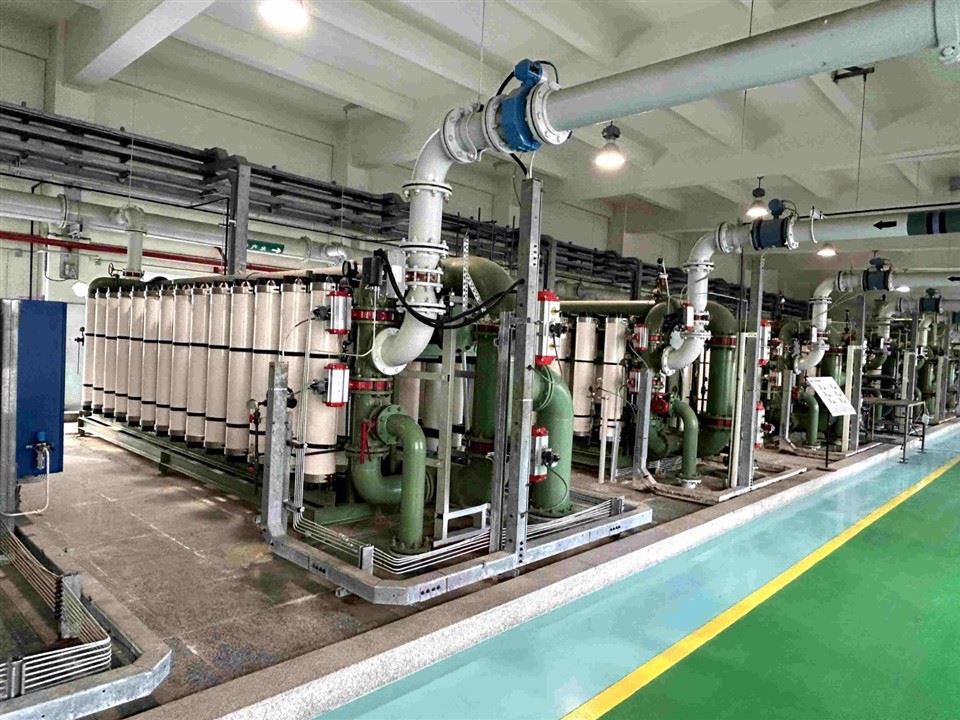

Strategies to Reduce Operating Costs
Optimize Resin Selection
- Understand the Application: Different applications have different water quality requirements and resin performance needs. For example, in Demineralization System, strong - acid cation exchange resins are often used to remove all cations. However, in some cases, a combination of strong - acid and weak - acid resins can provide better performance at a lower cost. By carefully assessing the specific needs of your water treatment process, you can select the most appropriate resin with the right exchange capacity, particle size, and chemical stability.
- Consider Resin Lifespan: Some high - quality resins may have a higher initial cost but can last longer, reducing the frequency of replacement. It is important to consider the total cost of ownership over the resin's lifespan rather than just the upfront price.
Improve Regeneration Efficiency
- Optimize Regeneration Chemical Dosage: Conduct regular water quality analysis to determine the exact amount of regeneration chemicals required. Over - dosing of chemicals not only increases costs but can also damage the resin. By precisely controlling the chemical dosage, you can minimize waste and save on chemical expenses.
- Use High - Purity Regeneration Chemicals: High - purity chemicals can reduce the risk of fouling and improve the regeneration efficiency of the resin. Although they may cost slightly more, the long - term benefits in terms of resin performance and lifespan can outweigh the additional cost.
- Implement Counter - Flow Regeneration: Counter - flow regeneration involves introducing the regeneration chemicals in the opposite direction of the normal service flow. This method can achieve better resin regeneration and reduce the amount of regeneration chemicals needed compared to co - flow regeneration.
Minimize Water Consumption
- Recycle Rinsing Water: If possible, collect and recycle the water used for rinsing the resin beds. This can be achieved by installing a water recycling system that treats and reuses the rinse water. The recycle water can be used for non - critical applications or as part of the next regeneration cycle, significantly reducing fresh water consumption.
- Optimize Rinsing Process: Determine the optimal rinsing time and flow rate based on the resin type and water quality. Over - rinsing can waste water, while under - rinsing may lead to incomplete regeneration and reduced resin performance.
Reduce Energy Consumption
- Upgrade Equipment: Invest in energy - efficient pumps, valves, and other equipment. Newer models often have better energy - saving features, such as variable - speed drives, which can adjust the motor speed according to the actual demand, reducing energy consumption.
- Optimize System Design: Ensure that the resin system is properly designed with the shortest possible piping runs and the appropriate pipe sizes to minimize pressure drop. A well - designed system requires less energy to operate the pumps.
Control Resin Fouling
- Pretreatment: Install effective pretreatment systems, such as sediment filters, activated carbon filters, and reverse osmosis membranes, to remove suspended solids, organic matter, and other contaminants from the feed water. By preventing fouling agents from reaching the resin bed, you can extend the resin's lifespan and reduce the frequency of regeneration.
- Regular Monitoring and Maintenance: Implement a regular monitoring and maintenance program to detect early signs of fouling. This can include analyzing water quality parameters, resin performance indicators, and visual inspections of the resin bed. If fouling is detected, appropriate cleaning measures can be taken promptly to restore the resin's performance.
Case Studies
Let's take a look at a couple of real - world examples to illustrate the effectiveness of these cost - reduction strategies.
Case 1: A Medium - Sized Industrial Water Treatment Plant
This plant was using a cation exchange resin system for Brackish Water Desalination. By optimizing the resin selection, they switched from a standard resin to a high - performance resin with a longer lifespan. Additionally, they implemented counter - flow regeneration and reduced the regeneration chemical dosage by 20%. They also installed a water recycling system, which reduced their fresh water consumption by 30%. As a result, they were able to cut their annual operating costs for the cation exchange resin system by approximately 25%.
Case 2: A Large - Scale Seawater Desalination Facility
The facility was facing high energy costs due to inefficient equipment and a poorly designed resin system. They upgraded their pumps to energy - efficient models with variable - speed drives and optimized the system design to reduce pressure drop. They also improved the pretreatment system to control resin fouling, which extended the resin's lifespan and reduced the frequency of regeneration. These measures led to a 15% reduction in energy consumption and a 10% decrease in chemical usage, resulting in significant overall cost savings.
Conclusion
Reducing the operating cost of cation exchange resin is a multi - faceted process that requires careful consideration of resin selection, regeneration efficiency, water and energy consumption, and fouling control. By implementing the strategies outlined in this blog post, water treatment plants can achieve substantial cost savings while maintaining or improving the performance of their cation exchange resin systems.
As a trusted cation exchange resin supplier, we are committed to providing our clients with high - quality products and expert advice on optimizing their water treatment processes. If you are interested in learning more about how to reduce the operating cost of cation exchange resin in your specific application or are looking to purchase our products, we encourage you to reach out to us for a detailed discussion and personalized solutions.
References
- "Water Treatment Handbook" by Veolia
- "Cation Exchange Resins: Principles and Applications" by Ion Exchange Manufacturers Association
- Technical reports and case studies from various water treatment plants and research institutions.