

When discussing the availability of freshwater, the comparison between desalinated water and other freshwater sources is a topic of great significance. As a supplier of seawater desalination solutions, I've witnessed firsthand the growing interest in desalinated water. In this article, I'll delve into how the quality of desalinated water stacks up against other freshwater sources.
Understanding Different Freshwater Sources
Before we compare, it's essential to understand the main types of freshwater sources available. These include surface water (rivers, lakes, and reservoirs), groundwater (aquifers), and precipitation (rain and snow). Each source has its unique characteristics and quality profiles.
Surface water is often easily accessible and can be used for various purposes, from drinking to industrial applications. However, it is highly susceptible to pollution from industrial waste, agricultural runoff, and urban sewage. This pollution can lead to high levels of contaminants such as heavy metals, pesticides, and pathogens.
Groundwater, on the other hand, is generally protected from surface - level pollution by the layers of soil and rock above the aquifers. But it can still be contaminated by natural processes, such as the leaching of minerals from the surrounding rocks, which can result in high concentrations of substances like arsenic, fluoride, and iron.
Precipitation is a natural source of freshwater. It is relatively pure when it first falls, but it can pick up pollutants from the atmosphere during its descent. In areas with high levels of air pollution, rainwater may contain acids, heavy metals, and other harmful substances.
The Process of Seawater Desalination
Seawater desalination is the process of removing salt and other impurities from seawater to make it suitable for human consumption and other uses. The two main methods of desalination are reverse osmosis (RO) and thermal desalination.
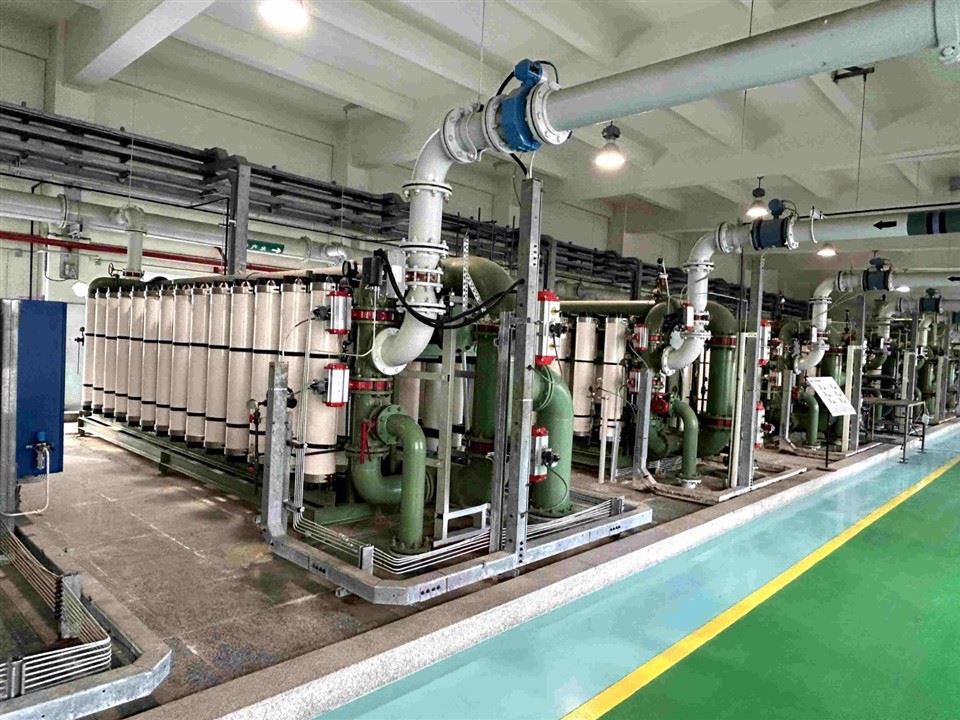
Reverse osmosis involves forcing seawater through a semi - permeable membrane under high pressure. The membrane allows water molecules to pass through while blocking salt and other larger particles. This process is highly effective in removing a wide range of contaminants, including salts, heavy metals, and many pathogens.
Thermal desalination, on the other hand, uses heat to evaporate seawater. The water vapor is then condensed back into liquid form, leaving behind the salt and other impurities. This method is also very efficient at producing high - quality water, but it generally requires more energy compared to reverse osmosis.
Quality Comparison of Desalinated Water and Other Freshwater Sources
Purity
Desalinated water is typically very pure. The desalination process, especially reverse osmosis, can remove up to 99% of salts and other contaminants from seawater. This results in water with extremely low levels of total dissolved solids (TDS), often well below the World Health Organization (WHO) guidelines for drinking water.
In contrast, surface water and groundwater may have varying levels of TDS depending on their location and the degree of pollution. Surface water can have high TDS due to the presence of dissolved salts from runoff and industrial waste. Groundwater in arid regions may have elevated TDS levels because of the high evaporation rates and the concentration of salts in the aquifers.
Microbial Contamination
Desalinated water produced through proper desalination processes is usually free of microbes. Reverse osmosis membranes can effectively block bacteria, viruses, and other pathogens. Thermal desalination also kills microbes through the heating process.
Surface water is at a high risk of microbial contamination. It can be a breeding ground for bacteria, viruses, and protozoa, especially in areas with poor sewage treatment. Groundwater can also be contaminated with microbes if there are leaks in the aquifer or if surface water infiltrates the underground water source.
Chemical Contamination
Desalinated water is generally low in chemical contaminants. The desalination process can remove heavy metals, pesticides, and other harmful chemicals. However, in some cases, the desalination plants may need to add chemicals to the water to adjust its pH and prevent corrosion.

Surface water is often contaminated with a wide range of chemicals. Industrial waste can introduce heavy metals such as mercury, lead, and cadmium into rivers and lakes. Agricultural runoff may contain pesticides and fertilizers, which can have negative impacts on human health. Groundwater can also be contaminated with chemicals from industrial spills, landfills, and agricultural activities.
Advantages of Desalinated Water in Terms of Quality
One of the significant advantages of desalinated water is its consistent quality. Unlike surface water and groundwater, which can be affected by seasonal changes, pollution events, and natural disasters, desalinated water can be produced with a stable quality profile throughout the year.
Another advantage is its independence from local water sources. In regions where surface water and groundwater are scarce or highly polluted, desalination provides a reliable alternative for freshwater supply. For example, in some arid coastal areas, desalinated water has become the primary source of drinking water.
Potential Drawbacks of Desalinated Water
While desalinated water has many quality advantages, it also has some potential drawbacks. One of the main concerns is the high energy consumption of the desalination process, especially thermal desalination. This not only makes the production of desalinated water more expensive but also has environmental implications.
Another issue is the brine waste generated during the desalination process. The concentrated salt - water byproduct needs to be disposed of properly to avoid harming the marine ecosystem. Additionally, desalinated water may lack some of the natural minerals that are present in other freshwater sources, such as calcium and magnesium. These minerals are important for human health, and in some cases, they need to be added back to the desalinated water.
Applications of Desalinated Water
Desalinated water is used in various applications. It is commonly used for drinking water supply in coastal cities and islands where freshwater sources are limited. It is also used in industries such as power generation, food processing, and pharmaceuticals, where high - quality water is required.
In the power generation industry, desalinated water can be used as boiler feed water. The high purity of desalinated water helps to prevent scale formation and corrosion in the boilers, which can improve the efficiency and lifespan of the power generation equipment.
In the food processing industry, desalinated water is used to ensure the quality and safety of food products. The low levels of contaminants in desalinated water help to meet the strict hygiene standards of the food industry.
Our Seawater Desalination Solutions
As a seawater desalination supplier, we offer a range of Seawater Desalination System to meet different customer needs. Our systems are designed to be energy - efficient, reliable, and easy to operate.
We also provide integrated water treatment solutions, including Condensate Water Treatment and Demineralization System. These solutions can further improve the quality of the desalinated water and make it suitable for various applications.
Conclusion and Call to Action
In conclusion, the quality of desalinated water is generally comparable or even superior to other freshwater sources in terms of purity, microbial contamination, and chemical contamination. While it has some potential drawbacks, the benefits of desalinated water, especially its consistent quality and independence from local water sources, make it an attractive option for many regions.
If you are interested in our seawater desalination solutions or have any questions about the quality of desalinated water, please don't hesitate to contact us. We are ready to provide you with professional advice and customized solutions.
References
- World Health Organization. (2017). Guidelines for drinking - water quality.
- National Research Council. (2008). Seawater desalination: A national perspective.
- American Water Works Association. (2019). Water quality and treatment: A handbook of community water supplies.