

Hey there! As a supplier in the municipal disinfection business, I've seen firsthand the importance of effective disinfection in keeping our cities clean and safe. In this blog post, I'm gonna share some tips on how to ensure the effectiveness of municipal disinfection.
1. Choose the Right Disinfection Method
There are various disinfection methods out there, and picking the right one is crucial. One popular option is electro - chlorination systems. We have two great types: the Salt Water Electro Chlorination System and the Seawater Electro Chlorination System.
The Salt Water Electro Chlorination System is ideal for areas where salt water can be easily sourced. It works by electrolyzing salt water to produce chlorine, which is a powerful disinfectant. This system is cost - effective in the long run as it uses common salt as a raw material.
On the other hand, the Seawater Electro Chlorination System is a great choice for coastal cities. It directly uses seawater to generate chlorine. Since seawater is abundant in coastal areas, it's a sustainable and practical solution.
2. Regular Maintenance of Equipment
No matter which disinfection method you choose, regular maintenance of the equipment is a must. For electro - chlorination systems, for example, the electrodes need to be inspected and cleaned regularly. Over time, scale can build up on the electrodes, which can reduce the efficiency of chlorine production.
Also, check the pipes and valves for any leaks or blockages. A small leak can lead to a significant loss of disinfectant and can also pose a safety hazard. Make sure to have a maintenance schedule and stick to it. This will not only ensure the effectiveness of the disinfection but also extend the lifespan of the equipment.
3. Monitor Disinfection Levels
It's important to constantly monitor the disinfection levels in the municipal water supply or public areas. For water disinfection, you can use chlorine sensors to measure the amount of free chlorine in the water. The ideal chlorine level depends on the specific application. For drinking water, for example, the World Health Organization (WHO) recommends a residual free - chlorine level of 0.2 - 4 mg/L.
In public areas like parks and streets, you can use indicators to check if the disinfection has been effective. For instance, you can test for the presence of harmful bacteria. If the disinfection levels are too low, you may need to adjust the disinfection process, such as increasing the dosage of disinfectant or running the electro - chlorination system for a longer time.
4. Train Your Staff
Your staff plays a vital role in the effectiveness of municipal disinfection. They need to be properly trained on how to operate the disinfection equipment, how to handle the disinfectants safely, and how to monitor the disinfection process.
Provide regular training sessions to keep your staff updated on the latest techniques and safety protocols. Encourage them to ask questions and share their experiences. A well - trained staff is more likely to carry out the disinfection tasks accurately and efficiently.
5. Follow Safety Protocols
Safety should always be a top priority when it comes to municipal disinfection. Disinfectants like chlorine can be hazardous if not handled properly. Make sure your staff wears the appropriate personal protective equipment (PPE), such as gloves, goggles, and masks.
Store the disinfectants in a safe place, away from heat sources and incompatible materials. Follow the instructions on the labels carefully when mixing and using the disinfectants. In case of an emergency, have an emergency response plan in place. This will help minimize the risks associated with disinfection.
6. Adapt to Changing Conditions
Municipal disinfection needs can change over time. For example, during a heatwave, the growth of bacteria may increase, which means you may need to increase the disinfection intensity. Or, if there is a new type of pathogen in the area, you may need to adjust the disinfection method.
Stay informed about the latest research and developments in the field of disinfection. Be prepared to adapt your disinfection strategies to meet the changing needs. This flexibility will ensure that your municipal disinfection remains effective in all situations.
7. Community Engagement
Engaging the community in the disinfection process can also enhance its effectiveness. Educate the public about the importance of disinfection and how they can contribute. For example, encourage them to report any areas that may need extra disinfection, such as dirty public toilets or litter - filled streets.
You can also organize community clean - up events, which can complement the municipal disinfection efforts. When the community is involved, they are more likely to support the disinfection initiatives and keep the public areas clean.
8. Data Analysis
Collect and analyze data related to the disinfection process. Keep records of the disinfection levels, equipment performance, and any maintenance activities. By analyzing this data, you can identify trends and patterns.
For example, if you notice that the chlorine production in an electro - chlorination system is decreasing over time, you can investigate the cause. It could be due to a problem with the electrodes or a change in the quality of the salt water. Data analysis can help you make informed decisions and optimize the disinfection process.
Conclusion
Ensuring the effectiveness of municipal disinfection is a complex but achievable task. By choosing the right disinfection method, maintaining the equipment, monitoring the disinfection levels, training your staff, following safety protocols, adapting to changing conditions, engaging the community, and analyzing data, you can provide a clean and safe environment for the residents.
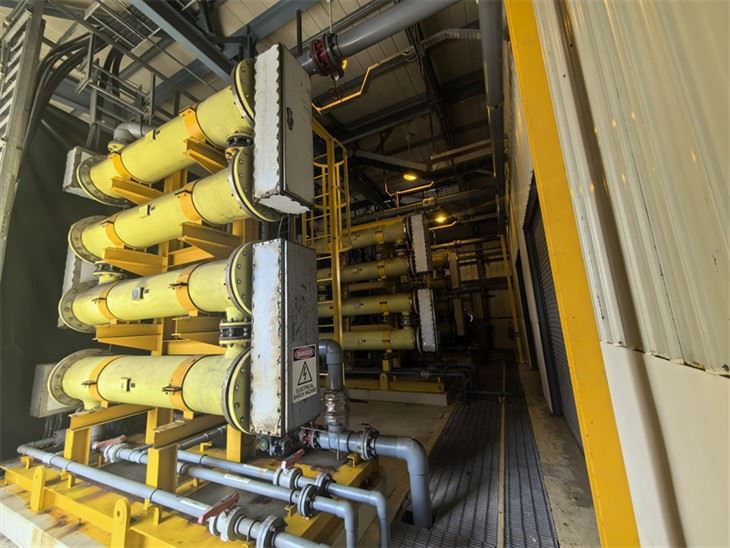

If you're interested in learning more about our municipal disinfection solutions, including the Salt Water Electro Chlorination System and the Seawater Electro Chlorination System, feel free to reach out. We're here to help you find the best disinfection solution for your municipality.
References
- World Health Organization. (2017). Guidelines for Drinking - Water Quality, 4th Edition.
- American Water Works Association. (2019). Water Quality and Treatment: A Handbook of Community Water Supplies.