

Maintaining a brine electrolyser is crucial for its efficient and long - term operation. As a brine electrolyser supplier, I understand the importance of providing customers with comprehensive guidance on how to keep these systems in top - notch condition. In this blog, I will share some key tips and best practices for maintaining a brine electrolyser.
Regular Inspection of Physical Components
The first step in maintaining a brine electrolyser is to conduct regular physical inspections. Start by visually examining the electrolyser cell. Check for any signs of corrosion, leaks, or physical damage. Corrosion can occur due to the highly corrosive nature of the brine and the electrochemical reactions taking place inside the cell. If you notice any rust or pitting on the cell walls or electrodes, it's a sign that the protective coatings may be wearing off.

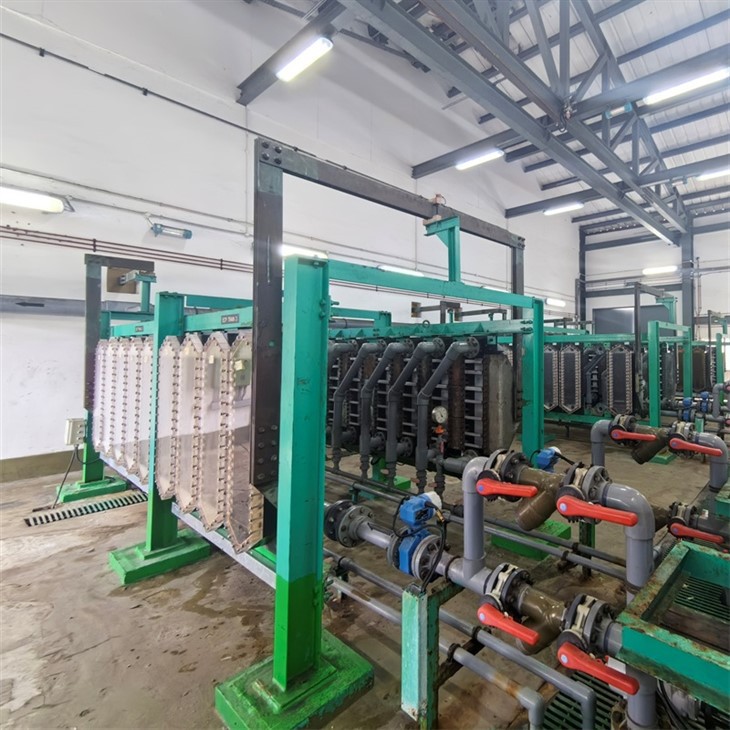
Inspect the electrical connections as well. Loose or corroded electrical connections can lead to poor conductivity, which in turn can reduce the efficiency of the electrolyser. Make sure all the wires are securely attached and that there are no signs of overheating or burning. Tighten any loose connections and clean any corroded terminals using a suitable electrical contact cleaner.
The piping system that transports the brine to and from the electrolyser also needs regular inspection. Look for any signs of leaks, blockages, or damage to the pipes. Leaks can not only waste brine but also cause damage to the surrounding equipment. Blockages can disrupt the flow of brine, leading to uneven electrolysis and reduced performance. If you find any issues with the pipes, repair or replace them as soon as possible.
Monitoring and Controlling Operating Parameters
Proper monitoring and control of operating parameters are essential for the optimal performance of a brine electrolyser. One of the most important parameters is the brine concentration. The ideal brine concentration depends on the specific design of the electrolyser, but generally, it should be within a certain range. Too low a brine concentration can result in low chlorine production, while too high a concentration can cause scaling and corrosion.
Use a reliable brine concentration meter to regularly measure the brine concentration. If the concentration is outside the recommended range, adjust it by adding more salt or diluting the brine with water. Keep a record of the brine concentration measurements over time to identify any trends or fluctuations.
Another critical parameter is the temperature of the electrolyser. High temperatures can accelerate corrosion and reduce the lifespan of the electrodes. On the other hand, low temperatures can slow down the electrolysis process. Most brine electrolysers are designed to operate within a specific temperature range. Install a temperature sensor and use a temperature control system to maintain the temperature within the recommended limits.
The current density is also an important factor. It affects the rate of chlorine production and the efficiency of the electrolyser. Make sure the current density is set according to the manufacturer's specifications. Too high a current density can cause excessive wear on the electrodes, while too low a density can result in insufficient chlorine production.
Cleaning and Descaling
Over time, scale and deposits can build up on the electrodes and the internal surfaces of the electrolyser. This can reduce the efficiency of the electrolysis process and increase the energy consumption. Regular cleaning and descaling are necessary to remove these deposits.
The cleaning method depends on the type of scale and deposits. For light scale, a simple chemical cleaning solution can be used. There are many commercial cleaning agents available that are specifically designed for brine electrolysers. Follow the manufacturer's instructions when using these cleaning agents to ensure safe and effective cleaning.
For more stubborn scale, mechanical cleaning may be required. This can involve using brushes or scrapers to physically remove the deposits. However, be careful not to damage the electrodes or other components during mechanical cleaning.
In addition to regular cleaning, it's also a good idea to implement a preventive descaling program. This can involve using anti - scaling agents in the brine or adjusting the operating parameters to reduce the formation of scale.
Electrode Maintenance
The electrodes are the heart of the brine electrolyser, and their proper maintenance is crucial for the overall performance of the system. Over time, the electrodes can wear out due to the electrochemical reactions. Monitor the condition of the electrodes regularly and replace them when necessary.
The lifespan of the electrodes depends on several factors, including the operating conditions, the type of electrodes, and the quality of the brine. Some electrodes may need to be replaced every few months, while others can last for several years.
When replacing the electrodes, make sure to use high - quality electrodes that are compatible with your electrolyser. Follow the manufacturer's instructions for electrode installation to ensure proper alignment and connection.
Training and Staff Education
Proper training and education of the staff responsible for operating and maintaining the brine electrolyser are essential. They should have a good understanding of the working principles of the electrolyser, the operating parameters, and the maintenance procedures.
Provide comprehensive training programs for your staff. These programs can include theoretical training on the electrochemistry of brine electrolysis, as well as practical training on how to operate and maintain the electrolyser. Encourage your staff to ask questions and seek clarification if they are unsure about any aspect of the operation or maintenance.
Regularly review and update the training programs to keep up with the latest technological advancements and best practices in brine electrolyser maintenance.
Utilizing Seawater and Salt Water Electro Chlorination Systems
There are different types of brine electrolysers, including those used in Seawater Electro Chlorination System and Salt Water Electro Chlorination System. Each type has its own unique characteristics and maintenance requirements.
Seawater electro chlorination systems use seawater as the source of brine. The main challenge with these systems is dealing with the high levels of impurities in seawater, such as sand, silt, and marine organisms. Regular filtration and pre - treatment of the seawater are necessary to prevent blockages and damage to the electrolyser.
Salt water electro chlorination systems, on the other hand, use salt - water prepared from salt and fresh water. These systems generally have fewer impurities compared to seawater systems, but they still require proper maintenance to ensure optimal performance.
In conclusion, maintaining a brine electrolyser requires a combination of regular inspections, monitoring of operating parameters, cleaning, electrode maintenance, and staff training. By following these best practices, you can ensure the efficient and long - term operation of your brine electrolyser.
If you are interested in purchasing a high - quality brine electrolyser or need more information on its maintenance, please feel free to contact us for procurement and further discussion.
References
- "Electrochemical Engineering" by Carl K. Newman and William E. White
- "Handbook of Chlorination and Alternative Disinfectants" by John H. Symons et al.
- Manufacturer's manuals for various brine electrolysers.