

Hey there! I'm really stoked to share with you how to set up a saltwater electrolysis experiment. I'm part of a saltwater electrolysis supplier crew, and I've seen firsthand the cool things that can happen when you work with this tech. So, let's dive right in!
What is Saltwater Electrolysis?
First off, what's saltwater electrolysis all about? Well, it's a process where you use an electric current to break down saltwater into its basic components. When you pass an electric current through saltwater (a solution of sodium chloride and water), some pretty interesting chemical reactions take place. At the anode (the positive electrode), chloride ions lose electrons and form chlorine gas. At the cathode (the negative electrode), water molecules gain electrons, producing hydrogen gas and hydroxide ions.
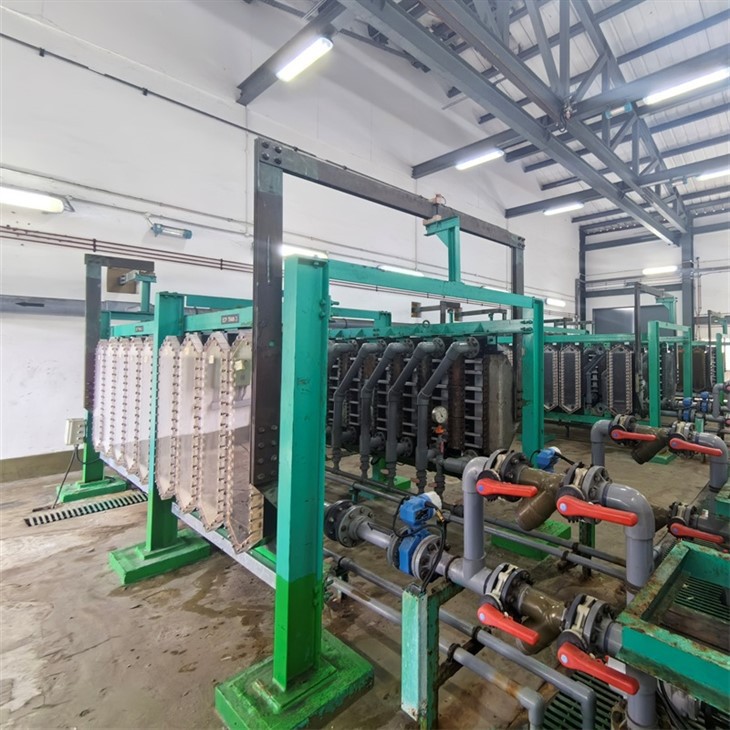
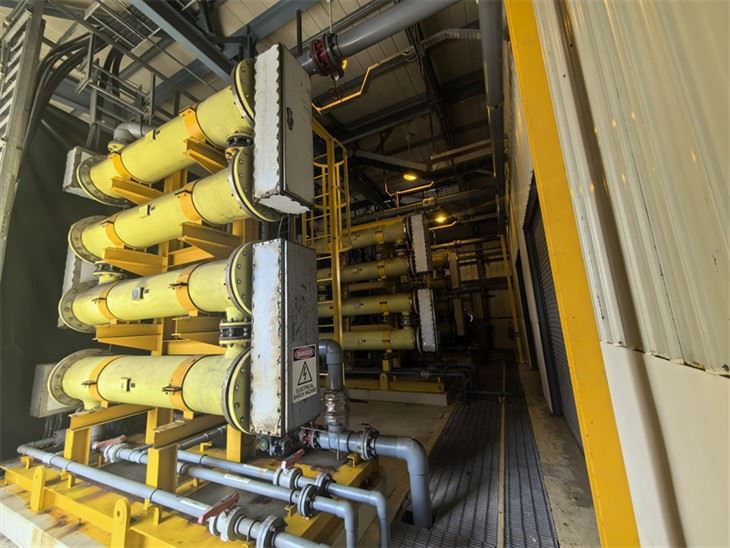
This process has a ton of real - world applications. You might have heard of Salt Water Electro Chlorination System. These systems use saltwater electrolysis to produce chlorine, which is super useful for disinfecting swimming pools. Instead of adding harsh chemicals directly, the system can generate chlorine on - site, making the water safer and more pleasant to swim in. Another application is the Seawater Electro Chlorination System, which is used in large - scale industrial settings, like power plants, to prevent biofouling in cooling water systems.
Materials You'll Need
Before you start your experiment, you'll need to gather a few things. Don't worry; most of these items are easy to find.
- Saltwater Solution: You can make this by dissolving table salt (sodium chloride) in water. For a simple experiment, a 3 - 5% salt solution should do the trick. That means for every 100 milliliters of water, you'll add about 3 - 5 grams of salt. Stir it well until the salt is completely dissolved.
- Power Source: A 9 - volt battery works great for a small - scale experiment. You can also use a power supply if you want more control over the voltage and current.
- Electrodes: You'll need two electrodes. Graphite rods are a good choice because they're inert and won't react with the saltwater. You can find these at a hobby store or online. You can also use stainless - steel electrodes, but be aware that they might corrode over time.
- Container: A small glass or plastic container will hold your saltwater solution. Make sure it's clean and can withstand the chemical reactions.
- Wires and Alligator Clips: These are used to connect the electrodes to the power source. You can find them at an electronics store.
Setting Up the Experiment
Now that you have all your materials, it's time to set up the experiment.
- Prepare the Saltwater Solution: Pour your saltwater solution into the container. Make sure there's enough to cover the electrodes when they're placed in the container.
- Connect the Electrodes: Attach the wires to the electrodes using the alligator clips. Connect one electrode to the positive terminal of the battery (this will be the anode) and the other to the negative terminal (the cathode).
- Immerse the Electrodes: Carefully place the electrodes into the saltwater solution. Make sure they're not touching each other. If they do, you'll create a short - circuit, and the experiment won't work.
- Observe the Reactions: Once the electrodes are in the solution, you should start to see some bubbles forming on the surface of the electrodes. The bubbles at the anode are chlorine gas, and the bubbles at the cathode are hydrogen gas. You might also notice a change in the color of the solution near the electrodes. This is due to the formation of hydroxide ions at the cathode, which can change the pH of the solution.
Safety Precautions
Saltwater electrolysis can be a fun and educational experiment, but it's important to take some safety precautions.
- Chlorine Gas: Chlorine gas is toxic, so make sure you do the experiment in a well - ventilated area. If you start to smell a strong, pungent odor, it's a sign that there's chlorine gas present. Move to a different location immediately.
- Electrical Hazards: Always be careful when working with electricity. Make sure the power source is turned off when you're connecting or disconnecting the wires. Don't touch the electrodes or the wires while the power is on.
- Chemical Burns: The saltwater solution and the chemicals produced during the experiment can cause chemical burns. Wear gloves and safety goggles to protect your hands and eyes.
Troubleshooting
Sometimes, things don't go as planned. Here are some common problems you might encounter and how to fix them.
- No Bubbles: If you don't see any bubbles forming on the electrodes, check the connections. Make sure the wires are securely attached to the electrodes and the power source. You might also need to increase the voltage or check the concentration of your saltwater solution.
- Electrodes Corroding: If your electrodes are corroding, it might be because they're not made of the right material. Try using graphite electrodes, which are more resistant to corrosion.
- Short - Circuit: If the electrodes touch each other, you'll create a short - circuit. This can cause the battery to overheat and potentially damage the electrodes. Make sure the electrodes are properly spaced in the solution.
Scaling Up the Experiment
If you're really into the experiment and want to take it to the next level, you can scale it up. You can use a larger container and a more powerful power source to produce more chlorine or hydrogen gas. You can also try using different types of salts or additives to see how they affect the chemical reactions.
Why Choose Our Saltwater Electrolysis Products?
As a saltwater electrolysis supplier, we offer high - quality products that are designed to meet your needs. Our systems are reliable, efficient, and easy to use. Whether you're looking for a small - scale system for your home pool or a large - scale industrial system, we've got you covered. Our products are made with the latest technology and are built to last. And we provide excellent customer support to help you with any questions or issues you might have.
If you're interested in learning more about our saltwater electrolysis products or want to discuss a potential purchase, we'd love to hear from you. Contact us to start a conversation about how our products can work for you. We're always happy to talk about the benefits of saltwater electrolysis and how it can improve your operations.
References
- Brown, T. L., LeMay, H. E., & Bursten, B. E. (2006). Chemistry: The Central Science. Pearson Prentice Hall.
- Chang, R. (2010). Chemistry. McGraw - Hill Education.