

Hey there! As a supplier of brine electrolysis systems, I've seen firsthand the ins and outs of membrane cell brine electrolysis. It's a pretty cool technology, but like anything, it's got its pros and cons. So, let's dive in and take a closer look at what makes membrane cell brine electrolysis tick, and where it might stumble a bit.
Advantages of Membrane Cell Brine Electrolysis
High - Quality Product Output
One of the biggest perks of membrane cell brine electrolysis is the quality of the products it churns out. When we run brine through the membrane cell, we mainly get chlorine gas, hydrogen gas, and sodium hydroxide (caustic soda). The membrane used in this process acts as a super - selective filter. It allows only certain ions to pass through, which means the products are very pure.
For instance, the chlorine gas produced has a high purity level, which is a big deal in industries that rely on chlorine for various processes, like water treatment and the production of PVC plastics. The high - purity chlorine ensures better and more consistent results in these applications. The caustic soda produced is also of high quality, with low levels of impurities. This makes it suitable for use in food processing, textile manufacturing, and many other industries where purity is crucial.
Energy Efficiency
Energy is a major cost factor in any industrial process, and membrane cell brine electrolysis scores pretty well in this department. Compared to some other methods of brine electrolysis, like the diaphragm cell process, membrane cells use less energy. The membrane in the cell reduces the voltage required for the electrolysis reaction to occur. This means less electricity is needed to drive the process, which translates into lower energy bills for the operators.
In today's world, where energy costs are rising and there's a growing emphasis on sustainability, this energy - efficiency is a huge advantage. It not only saves money but also reduces the carbon footprint of the production process. Companies that use membrane cell brine electrolysis can be more competitive in the market because of the lower operating costs associated with energy consumption.
Environmental Friendliness
From an environmental perspective, membrane cell brine electrolysis is a step in the right direction. Since it's more energy - efficient, it produces fewer greenhouse gas emissions compared to less efficient electrolysis methods. Also, the high - purity products mean that less waste is generated during the production process.
For example, in the water treatment industry, the pure chlorine gas produced by membrane cell electrolysis can be used more effectively to disinfect water. This reduces the need for additional chemicals and treatments, which in turn minimizes the environmental impact of water treatment facilities. And when it comes to the disposal of by - products, the relatively clean nature of the products from membrane cell electrolysis makes it easier to handle and manage waste in an environmentally responsible way.
Safety
Safety is always a top priority in industrial settings, and membrane cell brine electrolysis has some safety advantages. The membrane acts as a barrier between the anode and cathode compartments, preventing the mixing of chlorine and hydrogen gases. This reduces the risk of explosive reactions that could occur if these gases were to mix.
Also, the production of high - purity products means that there's less risk of contamination and the associated safety hazards. For example, in the food processing industry, using pure caustic soda produced by membrane cell electrolysis reduces the risk of introducing harmful impurities into the food products.
Disadvantages of Membrane Cell Brine Electrolysis
High Initial Investment
Setting up a membrane cell brine electrolysis plant is not cheap. The membrane cells themselves are quite expensive, and the entire system requires a significant amount of specialized equipment. You need to invest in high - quality electrodes, power supplies, and control systems to ensure the smooth operation of the electrolysis process.

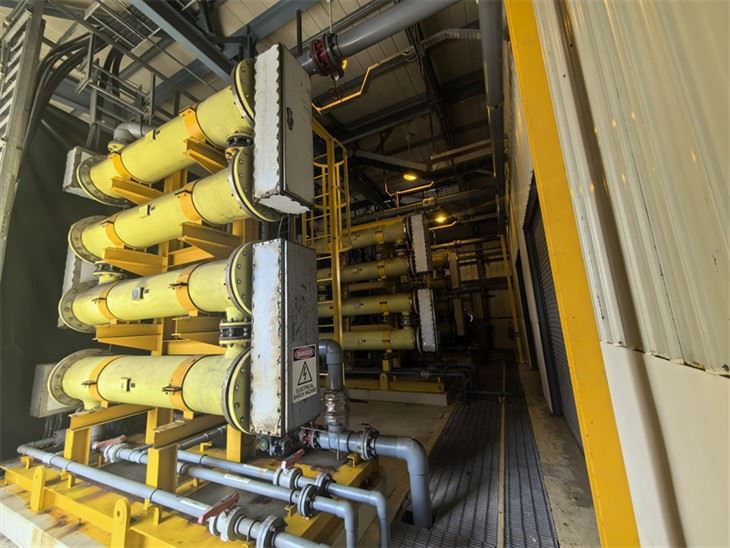
For small and medium - sized enterprises, this high initial investment can be a major barrier. They might not have the financial resources to set up a membrane cell brine electrolysis plant, and instead, they might opt for cheaper but less efficient methods. Even for larger companies, the high upfront cost means that they need to carefully consider the return on investment and the long - term viability of the project.
Membrane Replacement and Maintenance
The membranes used in membrane cell brine electrolysis have a limited lifespan. Over time, they can get damaged or fouled by impurities in the brine. When this happens, the performance of the cell deteriorates, and the membranes need to be replaced. Membrane replacement is not only costly but also time - consuming. It requires shutting down the production process, which can lead to lost production time and revenue.
In addition to replacement, regular maintenance of the membrane cells is essential. This includes monitoring the brine quality, cleaning the electrodes, and ensuring that the operating conditions are within the specified range. All these maintenance activities add to the overall operating costs of the brine electrolysis system.
Sensitivity to Brine Quality
Membrane cell brine electrolysis is very sensitive to the quality of the brine used. The brine needs to be free of impurities such as calcium, magnesium, and heavy metals. Even small amounts of these impurities can damage the membrane and reduce its performance.
This means that a significant amount of pre - treatment is required for the brine before it can be used in the electrolysis process. The pre - treatment steps include filtration, ion exchange, and chemical treatment to remove the impurities. These additional steps add to the complexity and cost of the overall process. If the brine quality is not properly maintained, it can lead to frequent membrane replacements and reduced efficiency of the electrolysis system.
Applications and Market Demand
The products of membrane cell brine electrolysis, such as chlorine, hydrogen, and caustic soda, have a wide range of applications. Chlorine is used in water treatment to disinfect drinking water and wastewater. It's also a key ingredient in the production of many chemicals, including solvents, pesticides, and plastics. You can learn more about the related systems at Salt Water Electro Chlorination System and Seawater Electro Chlorination System.
Hydrogen gas has potential as a clean energy source and is also used in the chemical and petroleum industries. Caustic soda is used in the production of paper, soap, and detergents, as well as in the food and textile industries.
The market demand for these products is constantly growing, especially in developing countries where there's an increasing need for water treatment and industrial production. However, the disadvantages of membrane cell brine electrolysis, such as the high initial investment and maintenance costs, can limit its adoption in some regions.
Conclusion
So, there you have it - the advantages and disadvantages of membrane cell brine electrolysis. On one hand, it offers high - quality products, energy efficiency, environmental friendliness, and safety. On the other hand, it comes with a high initial investment, membrane replacement and maintenance costs, and sensitivity to brine quality.
As a supplier of brine electrolysis systems, I understand that every customer has different needs and constraints. If you're considering investing in a membrane cell brine electrolysis system, it's important to carefully weigh the pros and cons. We're here to help you make an informed decision and provide you with the best - suited system for your requirements.
If you're interested in learning more about our brine electrolysis systems or have any questions about the technology, feel free to reach out to us. We'd be more than happy to discuss your specific needs and how we can work together to meet them. Let's start a conversation about how membrane cell brine electrolysis can benefit your business!
References
- Kirk - Othmer Encyclopedia of Chemical Technology
- Chemical Engineering Journal
- Journal of Applied Electrochemistry