

Effective chlorine is a powerful and widely used disinfectant in laundry, offering excellent germ - killing capabilities. As a supplier of effective chlorine products, I am well - versed in its proper usage and best practices for laundry disinfection. In this blog, I will share some proven methods to help you make the most of effective chlorine in your laundry routines.
Understanding Effective Chlorine
Effective chlorine refers to the amount of chlorine in a compound that is available for disinfection. It exists in various forms, such as sodium hypochlorite (bleach), calcium hypochlorite, and chlorine gas. These compounds release chlorine when dissolved in water, which can oxidize and destroy a wide range of microorganisms, including bacteria, viruses, and fungi.
The disinfecting power of effective chlorine comes from its ability to break down the cell walls and proteins of pathogens. When chlorine reacts with water, it forms hypochlorous acid (HOCl), a highly reactive and effective disinfectant. Hypochlorous acid can penetrate the cell membranes of microorganisms and disrupt their metabolic processes, leading to their death.
Best Practices for Using Effective Chlorine in Laundry Disinfection
1. Determine the Right Concentration
The concentration of effective chlorine is crucial for successful laundry disinfection. If the concentration is too low, it may not effectively kill all the pathogens. On the other hand, if it is too high, it can damage the fabric and cause skin irritation.
For general laundry disinfection, a concentration of 50 - 200 parts per million (ppm) of effective chlorine is usually sufficient. For heavily soiled or contaminated laundry, such as that from hospitals or nursing homes, a higher concentration of up to 500 ppm may be required.
To achieve the right concentration, you need to carefully measure the amount of effective chlorine product you add to the water. Most effective chlorine products come with usage instructions that provide guidelines on how much to use based on the volume of water and the level of contamination.
2. Choose the Right Temperature
The temperature of the water can significantly affect the effectiveness of effective chlorine. Generally, warmer water (around 30 - 40°C) can enhance the disinfection process. At this temperature range, the chemical reactions between chlorine and microorganisms occur more rapidly, leading to better germ - killing results.
However, be cautious when using hot water. Water that is too hot (above 60°C) can cause the chlorine to dissipate quickly, reducing its disinfection power. Also, high - temperature water may damage some fabrics, especially those made of delicate materials like silk or wool.
3. Pre - Treatment and Sorting
Before adding effective chlorine to the laundry, it is essential to pre - treat and sort the clothes. Remove any visible dirt or stains from the garments by soaking them in a pre - treatment solution or gently scrubbing the soiled areas.
Sort the laundry by color, fabric type, and level of contamination. White and light - colored cotton fabrics are usually more resistant to chlorine and can tolerate higher concentrations. Delicate fabrics, such as nylon or spandex, may be damaged by chlorine and should be washed separately. Also, separate heavily soiled or contaminated laundry from regular laundry to ensure proper disinfection.

4. Follow the Washing Cycle
When adding effective chlorine to the washing machine, it is best to add it at the beginning of the wash cycle. This allows the chlorine to mix evenly with the water and start disinfecting the laundry right away.
Most washing machines have a detergent dispenser where you can add the effective chlorine product. If your machine does not have a dispenser, you can dissolve the chlorine product in a small amount of water first and then pour it into the machine.
Let the washing machine run through a complete cycle to ensure that all the clothes are thoroughly washed and disinfected. Avoid overloading the machine, as this can prevent the water and chlorine from circulating properly.
5. Rinse Thoroughly
After the washing cycle is complete, it is crucial to rinse the clothes thoroughly to remove any remaining chlorine. Chlorine residue on the fabric can cause skin irritation and may also damage the fabric over time.
Run the washing machine through an extra rinse cycle or hand - rinse the clothes under clean water several times. Make sure to squeeze out all the excess water to ensure that no chlorine is left behind.
6. Safety Precautions
When using effective chlorine for laundry disinfection, safety should always be a top priority. Wear protective gloves and goggles to prevent skin and eye contact with the chlorine solution. Avoid inhaling the fumes, as chlorine gas can be harmful to the respiratory system.
Store effective chlorine products in a cool, dry place away from direct sunlight and heat sources. Keep them out of reach of children and pets. Do not mix effective chlorine with other cleaning products, especially those containing ammonia, as this can produce toxic gases.
Advantages of Our Effective Chlorine Products
As a supplier, our effective chlorine products offer several advantages. Our products are formulated to provide a high level of effective chlorine, ensuring reliable disinfection. They are also designed to be gentle on fabrics, minimizing the risk of damage.
We offer a range of effective chlorine products to meet different needs. Whether you need a product for household laundry or for commercial use in hospitals, hotels, or laundromats, we have the right solution for you. Our products are easy to use and come with clear instructions on how to achieve the best results.
In addition, we are committed to environmental sustainability. Our effective chlorine products are manufactured using eco - friendly processes and do not contain harmful chemicals that can pollute the environment.
Applications in Different Settings
Our effective chlorine products can be used in various settings for laundry disinfection.
1. Household Use
In households, our effective chlorine products can be used to disinfect everyday laundry, such as bed sheets, towels, and underwear. They help to keep your family safe from germs and ensure that your clothes are clean and fresh.
2. Commercial Laundries
Commercial laundries, such as those in hotels, restaurants, and hospitals, require a high - level of disinfection. Our products can meet the strict standards of these industries, providing effective disinfection while protecting the quality of the fabrics.
3. Healthcare Facilities
In healthcare facilities, preventing the spread of infections is of utmost importance. Our effective chlorine products can be used to disinfect the laundry of patients, staff, and visitors, reducing the risk of cross - contamination.
Related Products: Electro - Chlorination Systems
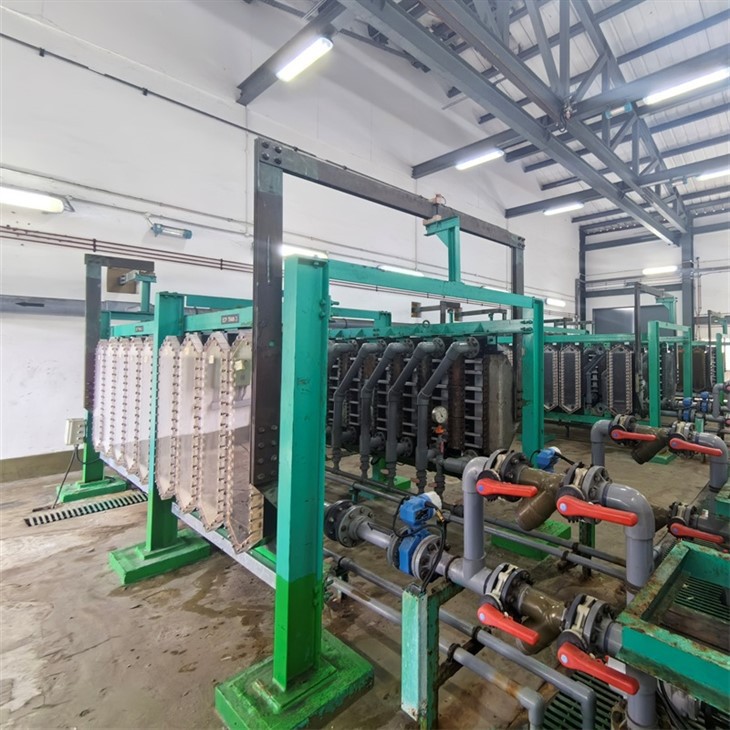
If you are looking for a more sustainable and cost - effective way to produce effective chlorine, we recommend our Seawater Electro Chlorination System and Salt Water Electro Chlorination System. These systems use electrolysis to produce chlorine from seawater or salt water, eliminating the need to store and transport large amounts of chlorine products.
The electro - chlorination systems are easy to install and operate. They can be customized to meet the specific needs of different applications, whether it is for a small laundry or a large - scale commercial operation.
Contact Us for Procurement
If you are interested in our effective chlorine products or electro - chlorination systems, we invite you to contact us for procurement. Our team of experts is ready to assist you in choosing the right products for your needs and providing you with detailed information on usage and maintenance.
We offer competitive prices, high - quality products, and excellent customer service. Whether you are a small - scale user or a large - scale commercial buyer, we can meet your requirements.
References
- Block, S. S. (ed.). (2001). Disinfection, Sterilization, and Preservation. Lippincott Williams & Wilkins.
- McDonnell, G., & Russell, A. D. (1999). Antiseptics and disinfectants: activity, action, and resistance. Clinical Microbiology Reviews, 12(1), 147 - 179.
- World Health Organization. (2009). Guidelines on Hand Hygiene in Health Care: First Global Patient Safety Challenge Clean Care is Safer Care. World Health Organization.