

Hey there! I'm in the electrolytic chlorine supply business, and I've been thinking a lot about how we can boost the use of electrolytic chlorine in developing regions. It's a game - changer for so many reasons, and I'm super excited to share some ways we can make it happen.
First off, let's talk about what electrolytic chlorine is and why it's so great. Electrolytic chlorine is produced through an electrochemical process. It can be made from either seawater or saltwater, depending on what's available in the area. You can check out more about Seawater Electro Chlorination System and Salt Water Electro Chlorination System to get a better understanding of the technology.
One of the main advantages of electrolytic chlorine is its cost - effectiveness. In developing regions, where budgets are often tight, traditional methods of chlorine production can be quite expensive. With electrolytic chlorine, the raw materials - seawater or salt - are usually readily available. This means that once the initial investment in the electro - chlorination system is made, the ongoing costs of producing chlorine are relatively low.
Another big plus is its environmental friendliness. Traditional chlorine production methods can have a significant environmental impact, including the release of harmful chemicals. Electrolytic chlorine production, on the other hand, is a much cleaner process. It reduces the need for transporting and storing large amounts of hazardous chemicals, which is not only better for the environment but also safer for the local communities.
Now, let's dive into the best ways to promote its use in developing regions.
Education and Training
One of the most important steps is to educate the local communities, governments, and businesses about the benefits of electrolytic chlorine. Many people in developing regions may not be aware of this technology or how it can improve their lives. We can organize workshops and training sessions in these areas.
For example, we can teach local water treatment plant operators how to use and maintain electro - chlorination systems. We can also show farmers how electrolytic chlorine can be used for disinfecting irrigation water, which can help prevent the spread of plant diseases. By providing hands - on training, we can build trust and confidence in the technology.
We can also collaborate with local schools and universities. By including electrolytic chlorine technology in their science and engineering curriculums, we can create a new generation of professionals who are familiar with this technology. This will not only help in the adoption of electrolytic chlorine but also contribute to the long - term development of the region.
Partnerships with Local Governments
Local governments play a crucial role in promoting the use of new technologies. We can work with them to develop policies and incentives that encourage the adoption of electrolytic chlorine. For instance, governments can offer subsidies or tax breaks to businesses and communities that invest in electro - chlorination systems.
We can also partner with government - run water treatment facilities. By demonstrating the cost - savings and effectiveness of electrolytic chlorine, we can convince them to switch from traditional chlorine sources. Once these large - scale facilities start using electrolytic chlorine, it can create a ripple effect, encouraging smaller businesses and communities to follow suit.
Demonstration Projects
Setting up demonstration projects is a great way to showcase the benefits of electrolytic chlorine. We can install electro - chlorination systems in a few selected locations in the developing region. For example, we can set up a system in a small village to treat its drinking water.
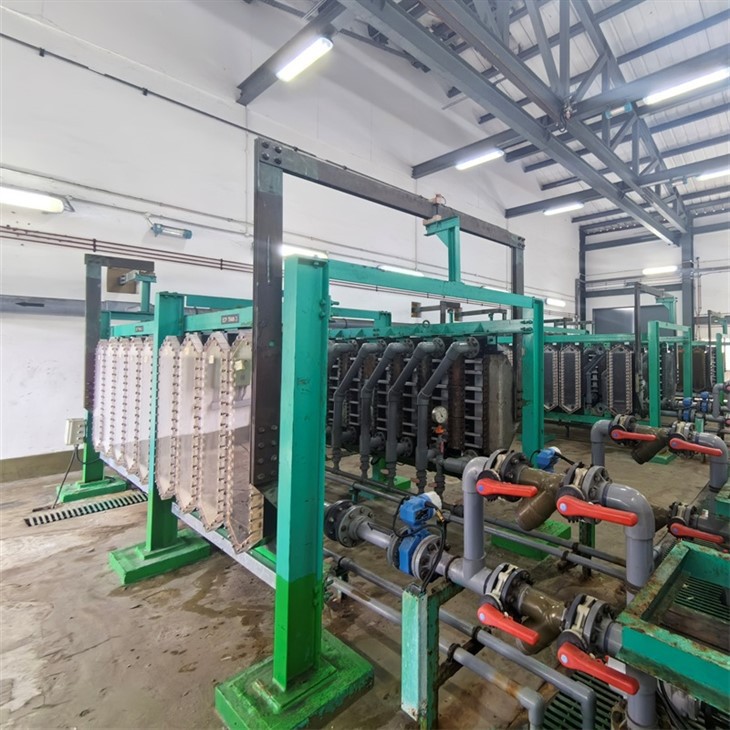
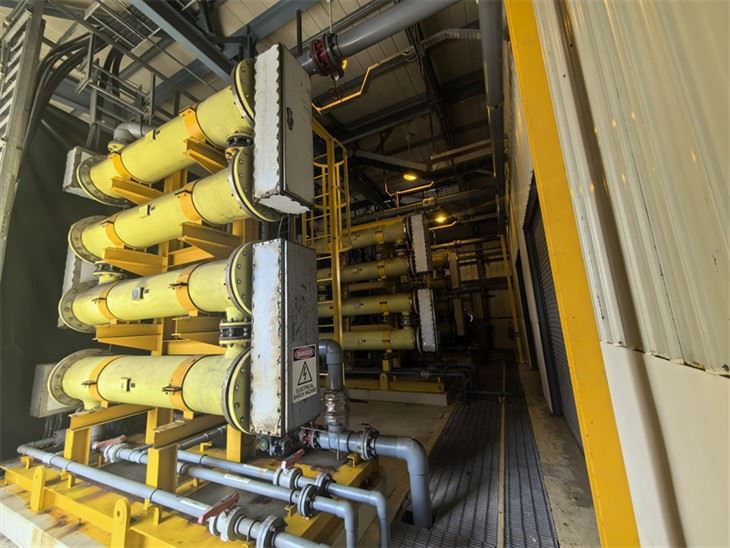
By allowing the local community to see the system in action, we can show them how easy it is to operate and how effective it is in disinfecting water. We can also measure and share the results, such as the reduction in water - borne diseases after the implementation of the system. This real - world example can be very persuasive in convincing other communities to adopt the technology.
Access to Financing
One of the barriers to the adoption of electrolytic chlorine in developing regions is the high initial cost of the electro - chlorination systems. To overcome this, we can work with financial institutions to develop financing solutions.
For example, we can collaborate with local banks to offer low - interest loans for the purchase of electro - chlorination systems. We can also explore the possibility of micro - financing options for small businesses and communities. By making the systems more affordable, we can increase the likelihood of their adoption.
Marketing and Awareness Campaigns
We need to create a buzz about electrolytic chlorine in developing regions. We can use various marketing channels, such as local radio, television, and social media. We can create engaging content, like short videos or radio ads, that highlight the benefits of electrolytic chlorine.
We can also participate in local trade shows and exhibitions. This gives us an opportunity to showcase our products and technologies to a large number of potential customers. By interacting with them directly, we can answer their questions and address their concerns.
After - Sales Support
Providing excellent after - sales support is essential for the long - term success of promoting electrolytic chlorine. We need to ensure that the local users have access to technical support whenever they need it. This can include on - site maintenance, replacement of parts, and troubleshooting.
We can also establish a local service center in the developing region. This will not only make it easier for the users to get support but also create local jobs. By having a strong after - sales support system, we can build a good reputation and encourage more people to use our products.
Community Engagement
Engaging with the local community is key. We can form community groups or associations that are focused on promoting the use of electrolytic chlorine. These groups can organize community events, such as clean - up days where electrolytic chlorine is used to disinfect public areas.
We can also encourage community members to share their experiences with electrolytic chlorine. Positive word - of - mouth can be a powerful marketing tool. By involving the community in the promotion process, we can create a sense of ownership and pride in using this technology.
In conclusion, promoting the use of electrolytic chlorine in developing regions is a challenging but rewarding task. By using a combination of education, partnerships, demonstration projects, financing, marketing, after - sales support, and community engagement, we can increase the adoption of this technology.
If you're interested in learning more about our electrolytic chlorine products or want to discuss a potential partnership for procurement, feel free to reach out. We're always happy to talk and explore how we can work together to bring the benefits of electrolytic chlorine to developing regions.
References
- Water Treatment Handbook: A guide to various water treatment technologies, including electrolytic chlorine production.
- Reports from international development agencies on the importance of clean water and sanitation in developing regions.
- Academic research papers on the environmental and economic benefits of electrolytic chlorine compared to traditional chlorine production methods.