

Handling electrolytic chlorine requires strict adherence to safety precautions to prevent accidents and ensure the well - being of personnel and the environment. As a supplier of electrolytic chlorine, I understand the importance of these safety measures and am committed to providing comprehensive guidance to our customers.
Understanding Electrolytic Chlorine
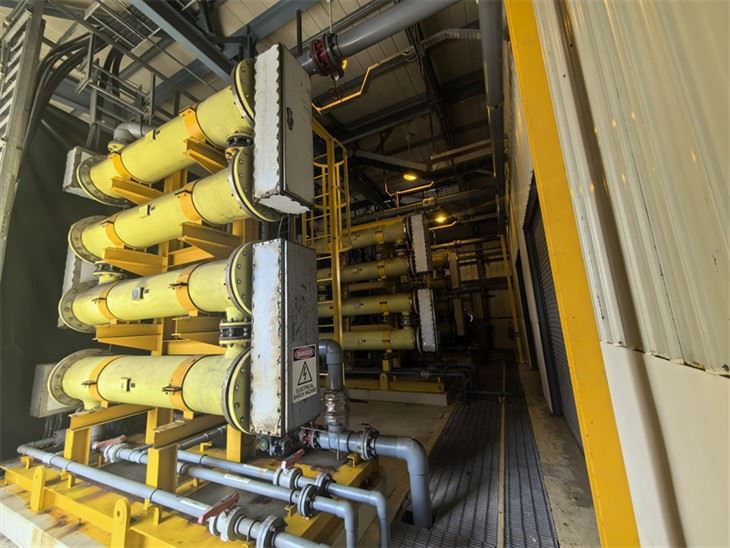
Electrolytic chlorine is produced through the electrolysis process, which can be carried out using different sources such as seawater or saltwater. The Seawater Electro Chlorination System and Salt Water Electro Chlorination System are two common methods. In seawater electro - chlorination, seawater is used as the raw material, and through electrolysis, chlorine is generated. Saltwater electro - chlorination, on the other hand, uses a salt solution to produce chlorine.
Physical and Chemical Properties of Electrolytic Chlorine
Chlorine is a highly reactive and toxic gas at standard temperature and pressure. It has a pungent odor and is heavier than air, which means it can accumulate in low - lying areas. Electrolytic chlorine is often in the form of a solution or a gas, depending on the production and application process. When handling this substance, it is crucial to be aware of its properties to take appropriate safety measures.
Personal Protective Equipment (PPE)
Respiratory Protection
Respiratory protection is of utmost importance when handling electrolytic chlorine. A self - contained breathing apparatus (SCBA) should be used in areas where there is a high risk of chlorine gas exposure. In less hazardous environments, a respirator with appropriate filters can be sufficient. The filters should be specifically designed to remove chlorine and other harmful gases. For example, a cartridge - type respirator with a chlorine - specific filter can provide protection for short - term exposure in well - ventilated areas.
Eye and Face Protection
Safety goggles or a full - face shield should be worn to protect the eyes and face from splashes of chlorine solutions or accidental exposure to chlorine gas. Chlorine can cause severe irritation and damage to the eyes, leading to temporary or permanent vision impairment.
Hand and Body Protection
Chemical - resistant gloves made of materials such as neoprene or nitrile should be worn to protect the hands from contact with chlorine solutions. A chemical - resistant apron or suit should also be worn to protect the body. These protective garments should cover the entire body to prevent skin contact, as chlorine can cause skin burns and irritation.
Ventilation
Proper ventilation is essential when handling electrolytic chlorine. In indoor facilities, mechanical ventilation systems should be installed to remove chlorine gas from the work area. The ventilation system should be designed to provide a sufficient air exchange rate to keep the chlorine concentration below the permissible exposure limit (PEL). For example, a ventilation system that can exchange the air in the room at least six to eight times per hour is recommended.
In outdoor areas, work should be carried out in well - ventilated locations. Avoid working in enclosed spaces or areas with poor air circulation. If possible, work should be done upwind to prevent the inhalation of chlorine gas.
Storage and Transportation
Storage
Electrolytic chlorine should be stored in a cool, dry, and well - ventilated area. The storage facility should be separated from incompatible materials such as flammable substances, acids, and bases. Chlorine can react violently with these substances, leading to explosions or the release of toxic gases.
Storage containers should be made of materials that are resistant to chlorine corrosion, such as high - density polyethylene (HDPE) or fiberglass - reinforced plastic (FRP). The containers should be properly labeled with the contents, hazards, and handling instructions.
Transportation
During transportation, electrolytic chlorine should be transported in approved containers that meet the relevant safety standards. The containers should be secured to prevent movement and damage during transit. A spill - containment system should also be in place in case of an accidental release.
Handling Procedures
Equipment Inspection
Before handling electrolytic chlorine, all equipment, including storage containers, pipes, valves, and pumps, should be inspected for leaks, damage, or corrosion. Any defective equipment should be repaired or replaced immediately. Regular maintenance and inspection of the equipment are necessary to ensure its safe operation.
Loading and Unloading
When loading or unloading electrolytic chlorine, strict procedures should be followed. Use appropriate transfer equipment, such as pumps or gravity - fed systems, to transfer the chlorine solution or gas. Ensure that all connections are tight and secure to prevent leaks.
Emergency Response
An emergency response plan should be in place in case of a chlorine release or accident. The plan should include procedures for evacuating the area, notifying emergency responders, and providing first - aid to affected personnel. Emergency response equipment, such as fire extinguishers, spill - containment kits, and first - aid kits, should be readily available.
Training and Education
All personnel involved in handling electrolytic chlorine should receive comprehensive training on safety procedures, equipment operation, and emergency response. The training should be updated regularly to keep the employees informed of the latest safety regulations and best practices. Training should include both theoretical knowledge and practical hands - on experience. For example, employees should be trained on how to properly use PPE, operate ventilation systems, and respond to different types of chlorine - related emergencies.
Environmental Protection
When handling electrolytic chlorine, it is also important to consider environmental protection. Chlorine can have a negative impact on the environment, especially on aquatic ecosystems. Any spills or releases of chlorine should be cleaned up immediately using appropriate methods. For example, spills of chlorine solutions can be neutralized with a suitable alkaline substance, such as sodium carbonate.
Risk Assessment
A thorough risk assessment should be conducted before starting any operation involving electrolytic chlorine. The risk assessment should identify potential hazards, evaluate the likelihood and consequences of accidents, and develop appropriate control measures. For example, if a facility is located near a residential area, the risk of chlorine gas exposure to the public should be carefully evaluated, and additional safety measures should be implemented.

Conclusion
Handling electrolytic chlorine safely requires a combination of proper personal protective equipment, ventilation, storage and transportation procedures, handling protocols, training, and environmental protection measures. As a supplier, we are dedicated to providing our customers with high - quality electrolytic chlorine products and comprehensive safety guidance. If you are interested in purchasing our electrolytic chlorine products or need more information about safety precautions, please feel free to contact us for further discussions and procurement negotiations.
References
- Occupational Safety and Health Administration (OSHA). "Chlorine: General Industry." OSHA Standards and Guidance.
- American National Standards Institute (ANSI). "Safety Requirements for the Storage and Handling of Chlorine." ANSI Z133.1.
- International Labour Organization (ILO). "Occupational Safety and Health Guidelines on the Use of Chlorine." ILO Publications.