

Hey there! As a supplier of seawater electrolysers, I often get asked about the power consumption of these nifty machines. So, I thought I'd take a moment to break it down for you in this blog post.
First off, let's understand what a seawater electrolyser does. In simple terms, it's a device that uses electricity to split seawater into its basic components, mainly hydrogen and oxygen. Sometimes, it's also used in Seawater Electro Chlorination System and Salt Water Electro Chlorination System to produce chlorine for water treatment.
The power consumption of a seawater electrolyser can vary quite a bit depending on several factors. One of the biggest factors is the size and capacity of the electrolyser. Just like a big car engine uses more fuel than a small one, a large - scale seawater electrolyser designed to produce a high volume of hydrogen or chlorine will consume more power compared to a smaller, more compact unit.
Another important factor is the efficiency of the electrolyser. Newer models with advanced technology and better - designed electrodes are generally more efficient. They can convert a higher percentage of the electrical energy they consume into the desired chemical products (like hydrogen or chlorine). In contrast, older or less - efficient models waste more energy in the form of heat, which means they need to draw more power to achieve the same output.
The composition of the seawater also plays a role. Seawater isn't the same everywhere. It can have different concentrations of salts, minerals, and other impurities. Higher salt concentrations can sometimes make the electrolysis process more efficient, as there are more ions available to carry the electrical charge. On the other hand, if the seawater has a lot of contaminants, it can cause issues like electrode fouling. This forces the electrolyser to work harder and consume more power to maintain the same level of production.
Let's talk numbers. A small - scale seawater electrolyser, say one used for a research project or a small - scale water treatment plant, might consume anywhere from a few kilowatts to tens of kilowatts of power. These units are usually designed to produce a relatively small amount of hydrogen or chlorine per hour.
For large - scale industrial applications, like a big hydrogen production facility or a large - scale water treatment plant, the power consumption can be in the megawatt range. Some of the really big industrial seawater electrolysers can consume hundreds of megawatts of power. That's a huge amount of electricity, but it's also producing a large quantity of valuable products.
Now, you might be wondering how this power consumption compares to other methods of producing the same products. When it comes to hydrogen production, for example, traditional methods like steam methane reforming are currently more energy - efficient in terms of the amount of hydrogen produced per unit of energy input. However, seawater electrolysis has a big advantage in terms of sustainability. It uses seawater, which is an abundant and renewable resource, and it can produce hydrogen without emitting greenhouse gases if the electricity used is from renewable sources like solar or wind.
In the case of chlorine production, using a seawater electrolyser can be a cost - effective and environmentally friendly alternative to transporting and storing large amounts of chlorine gas. The power consumption might seem high at first glance, but when you consider the savings in transportation and storage costs, as well as the reduced risk of chlorine gas leaks, it starts to make a lot of sense.
If you're thinking about investing in a seawater electrolyser, it's crucial to consider the long - term power costs. You need to look at the local electricity rates and how they might change over time. Also, think about whether you can access renewable energy sources. Using solar panels or wind turbines to power your electrolyser can significantly reduce your operating costs and make your production process more sustainable.
We, as a seawater electrolyser supplier, are constantly working on improving the efficiency of our products. We're researching new electrode materials, better cell designs, and advanced control systems to reduce power consumption while increasing production capacity. Our goal is to make seawater electrolysis a more viable and cost - effective option for a wide range of applications.
If you're in the market for a seawater electrolyser, whether it's for a small - scale project or a large - scale industrial application, we'd love to have a chat with you. We can help you figure out the right size and type of electrolyser for your needs, and we can provide you with detailed information about power consumption and operating costs. Don't hesitate to reach out if you have any questions or if you're ready to start the procurement process.
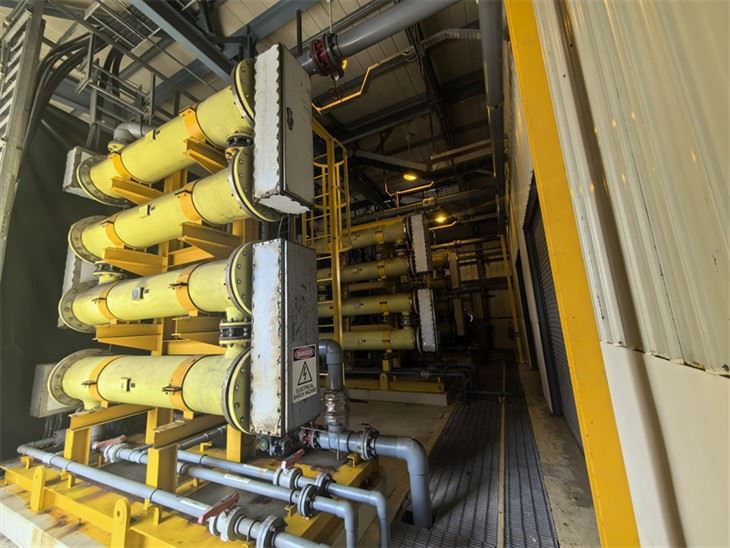

In conclusion, the power consumption of a seawater electrolyser is influenced by many factors, including size, efficiency, and seawater composition. While it can be high, especially for large - scale applications, there are ways to manage and reduce it. And with the ongoing advancements in technology, the future looks bright for seawater electrolysis as a sustainable and cost - effective solution for hydrogen and chlorine production.
References
- Various research papers on seawater electrolysis technology
- Industry reports on the power consumption of electrolysers