

Yo, folks! I'm an anion exchange resin supplier, and today I wanna chat about how temperature messes with the performance of anion exchange resin.
First off, let's get a basic understanding of anion exchange resin. It's a key player in water treatment. It helps remove negatively charged ions from water, making it cleaner and safer for various uses. Whether it's for Demineralization System, Seawater Desalination System, or Condensate Water Treatment, anion exchange resin is in the thick of it.
Now, let's dig into how temperature comes into play. Temperature can have a big impact on the resin's ion - exchange capacity. At lower temperatures, the kinetic energy of the ions in the solution is relatively low. This means that the ions move around more sluggishly. When it comes to the resin beads, the ions have a harder time diffusing into the pores of the resin. As a result, the ion - exchange reaction slows down, and the resin can't pick up as many ions as it could at a better temperature.
For example, if you're using anion exchange resin in a cold water environment, say around 5 - 10 degrees Celsius, the resin might only achieve about 60 - 70% of its maximum ion - exchange capacity. That's a pretty big drop! You'd think that just having more resin would solve the problem, but it's not that simple. It can lead to higher costs and more complex system designs.
On the flip side, when the temperature goes up, the kinetic energy of the ions increases. They move around more freely and can more easily diffuse into the resin pores. This speeds up the ion - exchange reaction. In a moderately warm environment, like 20 - 30 degrees Celsius, the resin can reach close to its maximum ion - exchange capacity. The reaction rates are much faster, and you can get better purification results in a shorter amount of time.
But here's the catch. If the temperature gets too high, things start to go south. High temperatures can cause the resin structure to break down. The polymer matrix that makes up the resin can start to degrade. This leads to a loss of the resin's physical integrity. The resin beads might start to crack or dissolve, which is a total disaster.

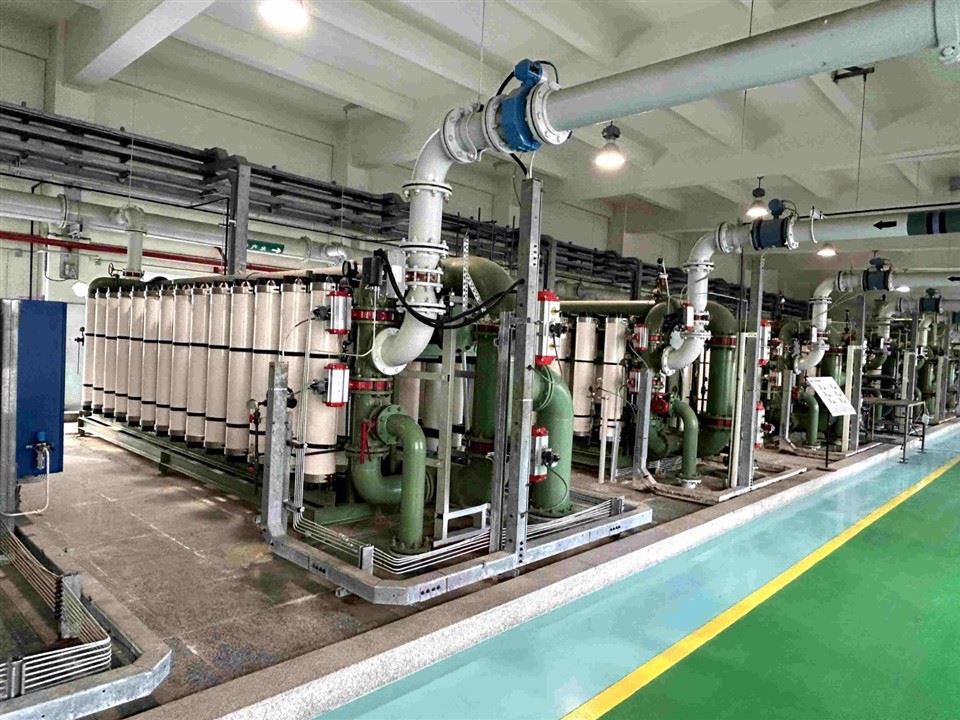
For instance, if the water temperature exceeds 60 degrees Celsius for an extended period, the resin's performance can decline rapidly. The ion - exchange capacity will drop, and you'll notice a decrease in the quality of the treated water. Plus, the degraded resin can release impurities back into the water, causing more problems than it solves.
Another aspect affected by temperature is the selectivity of the anion exchange resin. Selectivity refers to the resin's ability to preferentially adsorb certain anions over others. At different temperatures, the resin's selectivity can change.
In colder temperatures, the resin might show a stronger preference for smaller anions. This is because the smaller ions can more easily diffuse into the resin pores even with the limited kinetic energy. But as the temperature rises, the resin might become more likely to adsorb larger anions as well. This can be a double - edged sword. On one hand, it can help in removing a wider range of anions from the water. On the other hand, it can also make the resin less effective at targeting specific anions if that's what you need.
Let's talk about regeneration of the anion exchange resin. Regeneration is the process of restoring the resin's ion - exchange capacity after it has been exhausted. Temperature plays a crucial role here too.
During the regeneration process, a regenerant solution, usually a strong base like sodium hydroxide, is used to remove the adsorbed anions from the resin. At lower temperatures, the regeneration process is slower. The regenerant ions have a harder time replacing the adsorbed anions on the resin. This means you might need to use more regenerant or extend the regeneration time to get the resin back to an acceptable level of performance.
In contrast, at higher temperatures, the regeneration reaction is faster. The regenerant ions can more easily displace the adsorbed anions. However, if the temperature is too high during regeneration, it can also cause the same degradation issues as mentioned earlier. You have to find that sweet spot to ensure efficient regeneration without harming the resin.
So, how do we deal with these temperature - related issues? Well, if you're in a cold environment, you can consider pre - heating the water before it enters the ion - exchange system. This can boost the resin's performance. You can use heat exchangers or other heating devices to bring the water temperature up to an optimal range.
If you're in a hot environment, you need to have proper cooling systems in place. Cooling towers or chillers can be used to keep the water temperature within the safe operating range of the resin. You also need to monitor the temperature closely to catch any potential problems early.
As an anion exchange resin supplier, I've seen firsthand the impact of temperature on the resin's performance. I've worked with clients in different climates and industries. Some of them in cold regions were struggling with poor water treatment results because of the low temperatures. After implementing some temperature - control measures, like pre - heating the water, their systems started working much better.
On the other hand, clients in hot areas had issues with resin degradation. By installing cooling systems and adjusting their operating procedures, they were able to extend the lifespan of their resin and improve the quality of the treated water.
If you're in the market for anion exchange resin or are having problems with your current system related to temperature, I'm here to help. I can provide you with high - quality anion exchange resin that's suitable for different temperature conditions. I can also offer advice on how to optimize your system to deal with temperature challenges.
So, if you're interested in learning more about anion exchange resin or want to start a procurement discussion, don't hesitate to reach out. We can work together to find the best solutions for your water treatment needs.
References:
- "Ion Exchange Principles and Applications" by F. Helfferich
- "Water Treatment Handbook" by various authors