

What are the economic feasibility studies for seawater reverse osmosis projects?
As a provider of seawater reverse osmosis (SWRO) systems, I've witnessed firsthand the growing importance of these projects in addressing the global water crisis. SWRO technology has emerged as a reliable solution for producing fresh water from seawater, but like any large - scale infrastructure project, it requires a thorough economic feasibility study before implementation.
1. Initial Investment Costs
The first aspect of an economic feasibility study is to assess the initial investment costs. These costs can be quite substantial and include several components.
-
Equipment Procurement: The heart of an SWRO project is the reverse osmosis membrane and related equipment. High - quality membranes are essential for efficient desalination, but they come at a significant cost. Additionally, we need to purchase pumps, pretreatment systems, and post - treatment systems. For example, a large - scale SWRO plant may require multiple high - pressure pumps to force seawater through the membranes. As a supplier, I understand the importance of providing cost - effective yet reliable equipment. Our Seawater Desalination System is designed to balance performance and cost, ensuring that our clients get the best value for their investment.
-
Infrastructure Development: Building an SWRO plant also involves significant infrastructure costs. This includes land acquisition, construction of the plant building, and installation of pipelines for intake and discharge of seawater and fresh water. In some coastal areas, the cost of land can be extremely high, and the construction process may face challenges such as harsh weather conditions and strict environmental regulations.
-
Engineering and Design: Professional engineering and design services are crucial for the success of an SWRO project. Engineers need to design the plant layout, select the appropriate equipment, and ensure that the system meets all technical and regulatory requirements. This phase can take several months to complete and requires a team of experts in water treatment, mechanical engineering, and civil engineering.
2. Operating Costs
Once the SWRO plant is up and running, the next major consideration is the operating costs.

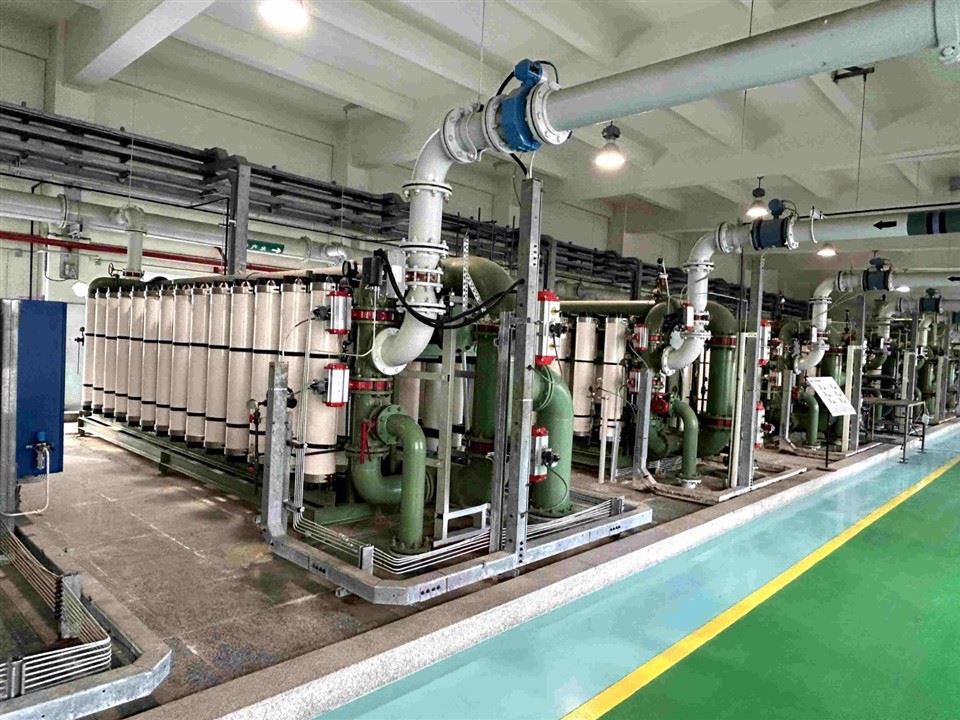
- Energy Consumption: One of the most significant operating costs for an SWRO project is energy. The process of reverse osmosis requires a large amount of energy to pressurize the seawater and force it through the membranes. In fact, energy costs can account for up to 50% of the total operating costs of an SWRO plant. To reduce energy consumption, we have developed energy - recovery devices that can capture and reuse the pressure energy from the brine discharge. Our Demineralization System incorporates advanced energy - recovery technology, which helps our clients save on energy costs in the long run.
- Membrane Replacement and Maintenance: Reverse osmosis membranes have a limited lifespan and need to be replaced periodically. The frequency of membrane replacement depends on factors such as the quality of the feed water, operating conditions, and the type of membranes used. In addition to membrane replacement, regular maintenance of the entire system is also necessary to ensure its efficient operation. This includes cleaning the membranes, checking the pumps and valves, and monitoring the water quality.
- Chemical Usage: Pretreatment and post - treatment of the water often require the use of chemicals. For example, coagulants and flocculants are used in the pretreatment stage to remove suspended solids, and disinfectants are used in the post - treatment stage to ensure the safety of the produced water. The cost of these chemicals can add up over time, and it is important to optimize the chemical dosage to minimize costs while still maintaining water quality.
3. Revenue Streams
To determine the economic feasibility of an SWRO project, it is essential to identify and evaluate the potential revenue streams.
- Water Sales: The primary revenue source for an SWRO project is the sale of fresh water. The price of the water depends on various factors, such as the local demand for water, the cost of alternative water sources, and government regulations. In areas where water is scarce, the price of fresh water can be relatively high, making the SWRO project more economically viable. For example, in some arid regions, municipalities are willing to pay a premium for a reliable supply of desalinated water.
- By - product Utilization: In addition to fresh water, an SWRO project can also generate by - products that can be sold for additional revenue. For instance, the brine discharge from the SWRO plant contains various minerals and salts. Some companies are exploring the possibility of extracting valuable minerals such as magnesium and calcium from the brine, which can be used in industries such as pharmaceuticals and construction.
4. Market Analysis
A comprehensive market analysis is an integral part of the economic feasibility study.
- Demand Assessment: It is crucial to evaluate the current and future demand for fresh water in the target area. This involves analyzing population growth, industrial development, and agricultural water requirements. For example, in a rapidly growing coastal city, the demand for water is likely to increase in the coming years, which provides a favorable market environment for an SWRO project.
- Competition Analysis: Identifying and analyzing the existing and potential competitors is also important. This includes other water treatment technologies, such as Brackish Water Desalination, and alternative water sources such as groundwater and surface water. Understanding the competitive landscape helps to position the SWRO project effectively and develop appropriate marketing strategies.
5. Risk Assessment
No economic feasibility study is complete without a thorough risk assessment.
- Technical Risks: There are several technical risks associated with an SWRO project. For example, membrane fouling can reduce the efficiency of the system and increase operating costs. In addition, equipment failures can lead to downtime and loss of production. As a supplier, we have a team of technical experts who can provide ongoing support and maintenance to minimize these technical risks.
- Regulatory Risks: SWRO projects are subject to various government regulations, including environmental regulations, water quality standards, and permitting requirements. Changes in these regulations can have a significant impact on the project's cost and schedule. It is important to stay updated on the regulatory environment and ensure that the project complies with all relevant laws.
- Financial Risks: Fluctuations in energy prices, exchange rates, and interest rates can also pose financial risks to an SWRO project. For example, an increase in energy prices can significantly increase the operating costs, while a change in exchange rates can affect the cost of imported equipment. To mitigate these risks, financial hedging strategies can be employed.
In conclusion, conducting a detailed economic feasibility study is of utmost importance for seawater reverse osmosis projects. As a seawater reverse osmosis supplier, I am committed to helping our clients make informed decisions by providing them with accurate cost estimates, reliable equipment, and comprehensive technical support. If you are considering an SWRO project, I encourage you to contact us for a detailed consultation. We can work together to assess the economic viability of your project and develop a customized solution that meets your specific needs.
References
- Elimelech, M., & Phillip, W. A. (2011). The future of seawater desalination: energy, technology, and the environment. Science, 333(6043), 712 - 717.
- Greenlee, L. F., Lawler, D. F., Freeman, B. D., Marrot, B., & Moulin, P. (2009). Reverse osmosis desalination: Water sources, technology, and today's challenges. Water Research, 43(9), 2317 - 2348.
- Lattemann, S., & Höpner, T. (2008). Environmental impact and impact assessment of seawater desalination. Desalination, 220(1 - 3), 1 - 15.