

Yo! As a supplier of cation exchange resin, I've been in the game for quite a while, and I've seen firsthand how crucial these little beads are in various water treatment processes. So, I thought I'd break down the different types of cation exchange resin for you.
Strong Acid Cation (SAC) Resins
Let's start with strong acid cation (SAC) resins. These are like the heavy - hitters in the cation exchange resin world. They're made from a styrene - divinylbenzene copolymer matrix with sulfonic acid functional groups.
The sulfonic acid groups are super reactive, which means they can exchange cations over a wide pH range, from 0 to 14. This makes them incredibly versatile. They're great at removing a whole bunch of cations, including calcium, magnesium, sodium, and potassium.
One of the most common applications of SAC resins is in water softening. Hard water contains high levels of calcium and magnesium ions, which can cause all sorts of problems like scale buildup in pipes and appliances. When hard water passes through a bed of SAC resin, the calcium and magnesium ions are exchanged for sodium ions on the resin. This effectively softens the water and reduces the risk of scale formation.
Another important use is in Demineralization System. In a demineralization process, SAC resins are often used in combination with anion exchange resins to remove almost all the dissolved salts from water. This is crucial in industries where high - purity water is required, such as in the pharmaceutical and electronics industries.
Weak Acid Cation (WAC) Resins
Next up are weak acid cation (WAC) resins. These resins have carboxylic acid functional groups attached to a polymer matrix. Unlike SAC resins, WAC resins are only effective in acidic to neutral pH ranges (usually around pH 4 - 10).
WAC resins are really good at selectively removing cations associated with alkalinity, like calcium and magnesium bicarbonates. When water containing these bicarbonates passes through a WAC resin bed, the hydrogen ions on the resin exchange with the calcium and magnesium ions, and the bicarbonate ions react with the released hydrogen ions to form carbon dioxide and water.
One of the big advantages of WAC resins is their high capacity for removing cations associated with alkalinity. They also require less regenerant (usually acid) compared to SAC resins. This makes them a cost - effective option for treating water with high alkalinity. They're commonly used in Seawater Desalination System pre - treatment, where reducing alkalinity can help prevent scaling in the desalination membranes.
Macroporous Cation Resins
Macroporous cation resins are a bit different from the gel - type resins we've talked about so far. These resins have a porous structure with large pores, which gives them some unique properties.
The large pores allow for faster diffusion of ions in and out of the resin beads. This means that macroporous cation resins can operate at higher flow rates compared to gel - type resins. They're also more resistant to fouling by organic matter and other contaminants.
Macroporous cation resins are often used in applications where the water contains high levels of organic substances or where the resin needs to be regenerated frequently. For example, in Condensate Water Treatment, macroporous cation resins can be used to remove metal ions and other contaminants from the condensate water. The high flow rate and fouling resistance make them well - suited for this type of application.
Chelating Cation Resins
Chelating cation resins are specialized resins that have a high affinity for specific metal ions. These resins have chelating functional groups that can form strong bonds with metal ions through a process called chelation.
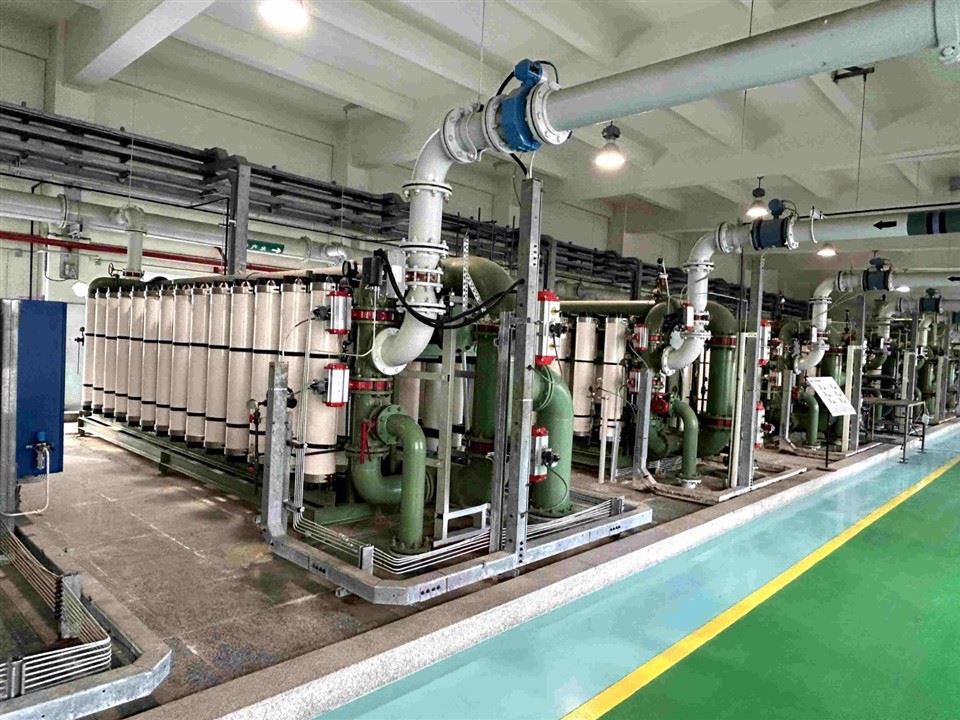

One of the most common uses of chelating cation resins is in the removal of heavy metal ions from water. For example, they can be used to remove copper, nickel, lead, and mercury ions. These heavy metals can be toxic and harmful to the environment and human health, so their removal is of great importance.
Chelating cation resins are also used in the recovery of precious metals. In mining and metal - processing industries, these resins can be used to selectively extract valuable metals like gold, silver, and platinum from solutions.
Factors to Consider When Choosing Cation Exchange Resins
When it comes to choosing the right cation exchange resin for your application, there are several factors to consider.
First, you need to think about the type of cations you want to remove. If you're dealing with a wide range of cations over a broad pH range, SAC resins might be the way to go. If you're mainly targeting cations associated with alkalinity, WAC resins could be a better choice.
The flow rate of your water treatment system is also important. If you need a high - flow system, macroporous cation resins are likely to be more suitable due to their faster ion diffusion rates.
Another factor is the presence of contaminants in the water. If your water contains a lot of organic matter or other fouling agents, macroporous or chelating resins might be better options because of their resistance to fouling.
Cost is always a consideration too. Different types of resins have different costs, and you need to balance the cost with the performance and longevity of the resin.
Conclusion
So, there you have it - the main types of cation exchange resins and their applications. Whether you're running a Seawater Desalination System, a Demineralization System, or a Condensate Water Treatment plant, choosing the right cation exchange resin is crucial for the success of your water treatment process.
If you're in the market for cation exchange resins and need some advice on which type is best for your specific application, don't hesitate to reach out. We're here to help you find the perfect solution for your water treatment needs. Contact us for a detailed discussion and let's get started on improving your water quality!
References
- Dorfner, H. (2012). Ion Exchangers: Properties and Applications. De Gruyter.
- Helfferich, F. (1962). Ion Exchange. McGraw - Hill.