

Hey there! I'm a supplier in the seawater desalination business, and I've seen firsthand the challenges that come with brine disposal. Seawater desalination is a game - changer, providing fresh water in areas where it's scarce. But that pesky brine by - product is a real headache. Let's dive into the problems associated with brine disposal in seawater desalination.
First off, let's understand what brine is. When we desalinate seawater, we're essentially removing salt and other impurities to make it drinkable. The leftover stuff, which is super salty and full of concentrated impurities, is brine. And getting rid of it isn't as easy as it sounds.
One of the major issues is the environmental impact. Dumping brine back into the ocean, which is a common disposal method, can mess up the marine ecosystem big time. The high salt concentration in brine makes it denser than normal seawater. When it's released, it can sink to the ocean floor and create a "dead zone." This is an area where the high salinity and lack of oxygen make it difficult for most marine life to survive. Fish, shellfish, and other organisms that call the ocean home can be severely affected. Some species might not be able to tolerate the sudden change in salinity and could die off. This disrupts the food chain, which has far - reaching consequences for the entire marine ecosystem.
Another environmental concern is the presence of chemicals in the brine. During the desalination process, we often use chemicals to clean and maintain the Seawater Desalination System. These chemicals, such as anti - scaling agents and disinfectants, end up in the brine. When the brine is discharged into the ocean, these chemicals can be toxic to marine life. They can cause genetic mutations, reproductive problems, and even death in some organisms. And it's not just the immediate area around the discharge point that's affected. Ocean currents can carry the contaminated brine over long distances, spreading the problem far and wide.
Land - based disposal of brine also has its own set of problems. If we try to dispose of brine on land, it can contaminate soil and groundwater. The high salt content in the brine can make the soil infertile. Plants won't be able to grow in soil that's overly salty, which can have a huge impact on agriculture. Farmers rely on fertile soil to grow crops, and if that soil is contaminated with brine, it can lead to crop failures and economic losses.
Moreover, the salt in the brine can seep into the groundwater. Once the groundwater is contaminated, it becomes unfit for human consumption and other uses. Groundwater is a vital source of water for many communities, especially in arid regions. Contaminating it with brine can lead to water shortages and health problems for people who rely on it.
Energy consumption is another big problem related to brine disposal. Treating brine to reduce its salt content and make it less harmful before disposal requires a lot of energy. We need to use advanced treatment technologies like reverse osmosis and evaporation to remove the salt. These processes are energy - intensive, which means they cost a lot of money. And in a world where we're trying to be more energy - efficient and reduce our carbon footprint, this high energy consumption is a major drawback.
The cost of brine disposal is also a significant issue. As I mentioned earlier, treating brine is energy - intensive, and that translates into high costs. There are also costs associated with building and maintaining the infrastructure for brine disposal. Whether it's a pipeline to transport the brine to the ocean or a treatment plant on land, these facilities require a large investment. And for small - scale desalination plants, these costs can be prohibitive. It can make the entire desalination process less economically viable.
Regulatory challenges are also a hurdle in brine disposal. Different regions have different regulations regarding brine disposal. Some areas have strict limits on the amount of salt and chemicals that can be discharged into the environment. Meeting these regulations can be difficult and expensive for desalination plants. It might require them to invest in more advanced treatment technologies or change their disposal methods. And if a plant fails to comply with the regulations, it can face hefty fines and legal consequences.
Now, let's talk about some potential solutions. One option is to try to reuse the brine. Instead of just getting rid of it, we can find ways to extract valuable resources from it. For example, we can extract minerals like magnesium, calcium, and potassium from the brine. These minerals have various industrial uses, and selling them can offset some of the costs associated with brine disposal. We can also use the brine in certain industrial processes, such as in the production of salt or in some chemical manufacturing processes.
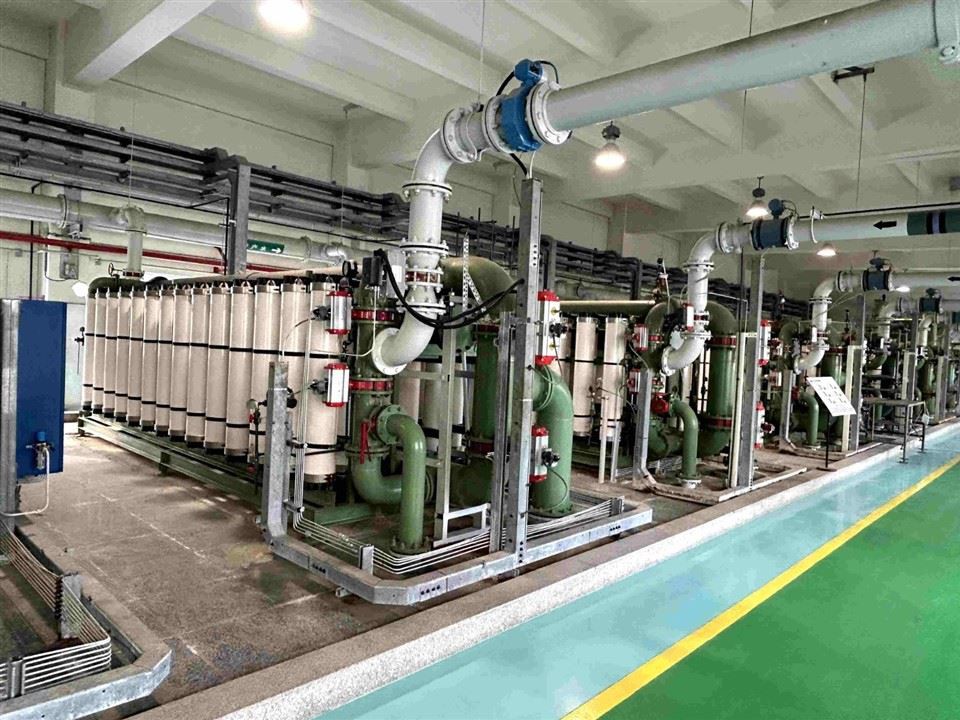
Another solution is to improve the desalination process itself. By using more efficient Brackish Water Desalination and Demineralization System technologies, we can reduce the amount of brine produced in the first place. For instance, some new membrane technologies can achieve higher water recovery rates, which means less brine is left over.

In conclusion, brine disposal in seawater desalination is a complex issue with many problems. But as a supplier in this industry, I'm confident that we can find solutions. We need to balance the need for fresh water with the responsibility to protect the environment. If you're interested in learning more about our seawater desalination solutions or want to discuss how we can address the brine disposal problem together, I'd love to hear from you. Let's start a conversation about how we can make desalination more sustainable and cost - effective.
References
- "Desalination and Brine Management: A Global Perspective" by Various Authors
- "Environmental Impacts of Seawater Desalination" by Marine Science Research Institute
- "Cost - Benefit Analysis of Brine Disposal Methods in Desalination Plants" by Water Resources Journal